


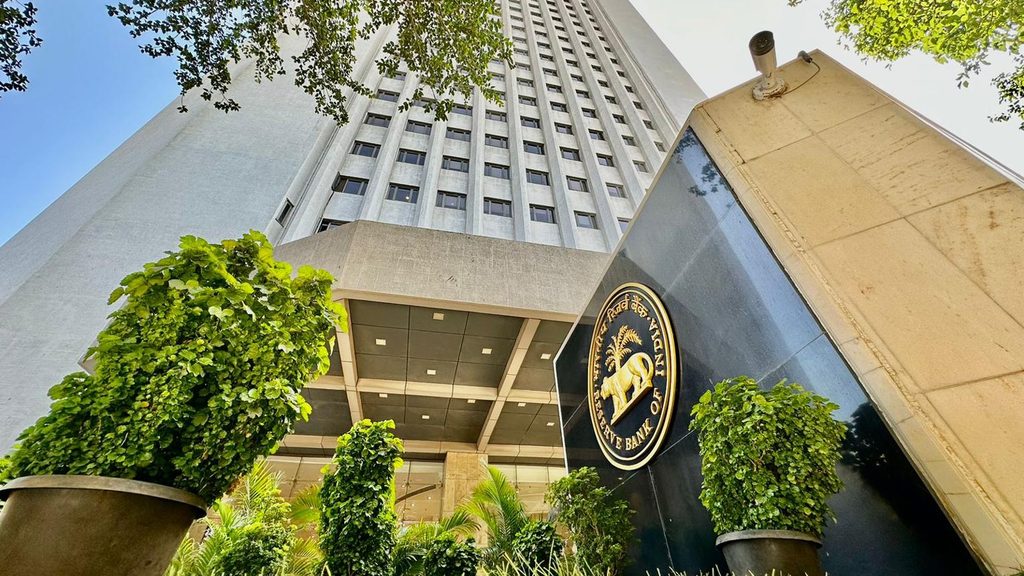
Mumbai, October 22, 2026: Former Reserve Bank of India (RBI) Deputy Governor Michael Debabrata Patra has cautioned policymakers against relying on the Indian rupee to automatically absorb global economic shocks, warning that excessive exchange-rate movements could damage the real economy and create financial stability risks. His remarks come as the rupee faces sustained pressure from rising crude oil prices, foreign investor outflows and heightened geopolitical uncertainty.
Patra, who oversaw monetary policy at the RBI from 2020 to 2025, said floating exchange rates do not always behave as conventional economic theory suggests. Instead of automatically stabilising an economy during periods of disruption, currencies can experience excessive movements driven by market expectations, speculative activity and investor behaviour.
His comments have renewed the debate over how much flexibility the rupee should have and when the central bank should intervene to maintain orderly conditions in the foreign exchange market.
Why Patra Is Cautioning Against Currency Volatility
Patra explained that exchange rates can overshoot their underlying economic values, particularly when markets react sharply to uncertain global developments. He also highlighted self-fulfilling expectations and bandwagon effects, in which investors follow prevailing market sentiment and intensify currency movements.
These dynamics can create challenges for businesses that depend on imported raw materials, foreign borrowing or international trade. A rapid depreciation of the rupee can increase the domestic cost of imported oil, machinery and industrial components. It can also raise repayment costs for companies with unhedged foreign-currency debt.
Although a weaker currency can improve the price competitiveness of some exports, the benefits are not automatic. Higher import costs can offset export gains, while sudden movements can complicate investment decisions and financial planning.
Patra argued that policymakers should assess currency performance over time rather than focus exclusively on short-term movements. He noted that the rupee’s volatility had remained relatively contained compared with several Asian currencies, despite depreciation against the US dollar.
Rupee Under Pressure From Global Developments
The Indian currency has experienced significant pressure in 2026 as elevated crude oil prices and substantial foreign equity selling have increased demand for dollars. Earlier in October, the rupee approached the 97-per-dollar mark for the first time.
The RBI responded with measures intended to ease pressure in the foreign exchange market. These included allowing oil companies access to dollar reserves and introducing reserve requirements for certain large foreign-exchange hedging transactions.
The measures helped the rupee recover approximately 2% from its recent lows, according to market reports. However, uncertainty surrounding energy prices, international capital flows and geopolitical developments continues to influence currency sentiment.
The International Monetary Fund has also argued that exchange-rate flexibility can help India respond to external shocks. Patra’s comments, however, emphasise the potential risks of allowing market movements to become excessive. His remarks were not directly made in response to the IMF’s recommendation.
RBI Faces a Difficult Policy Balance
The central bank must balance currency stability with domestic inflation and economic growth. Aggressive interest-rate increases intended to support the rupee could raise borrowing costs for businesses and households, potentially weakening investment and consumption.
At its latest monetary policy meeting, the RBI raised the benchmark repo rate by 25 basis points to 5.50% and shifted its stance from neutral to calibrated tightening. Policymakers have also expressed concern about rising inflation risks while remaining cautious about the impact of tighter financial conditions on growth.
Patra said timely and measured communication from policymakers could help shape market expectations, support confidence and promote orderly trading conditions.
What It Means for India’s Economy
The debate highlights the importance of managing currency volatility without attempting to defend an arbitrary exchange-rate level. Businesses, investors and import-dependent industries will be watching how the RBI responds to further external shocks.
Ultimately, India’s challenge is to preserve financial stability while allowing the economy to adjust to changing global conditions. Patra’s warning underscores that exchange-rate flexibility can be useful, but excessive currency movements may carry economic costs that policymakers cannot afford to ignore.


