


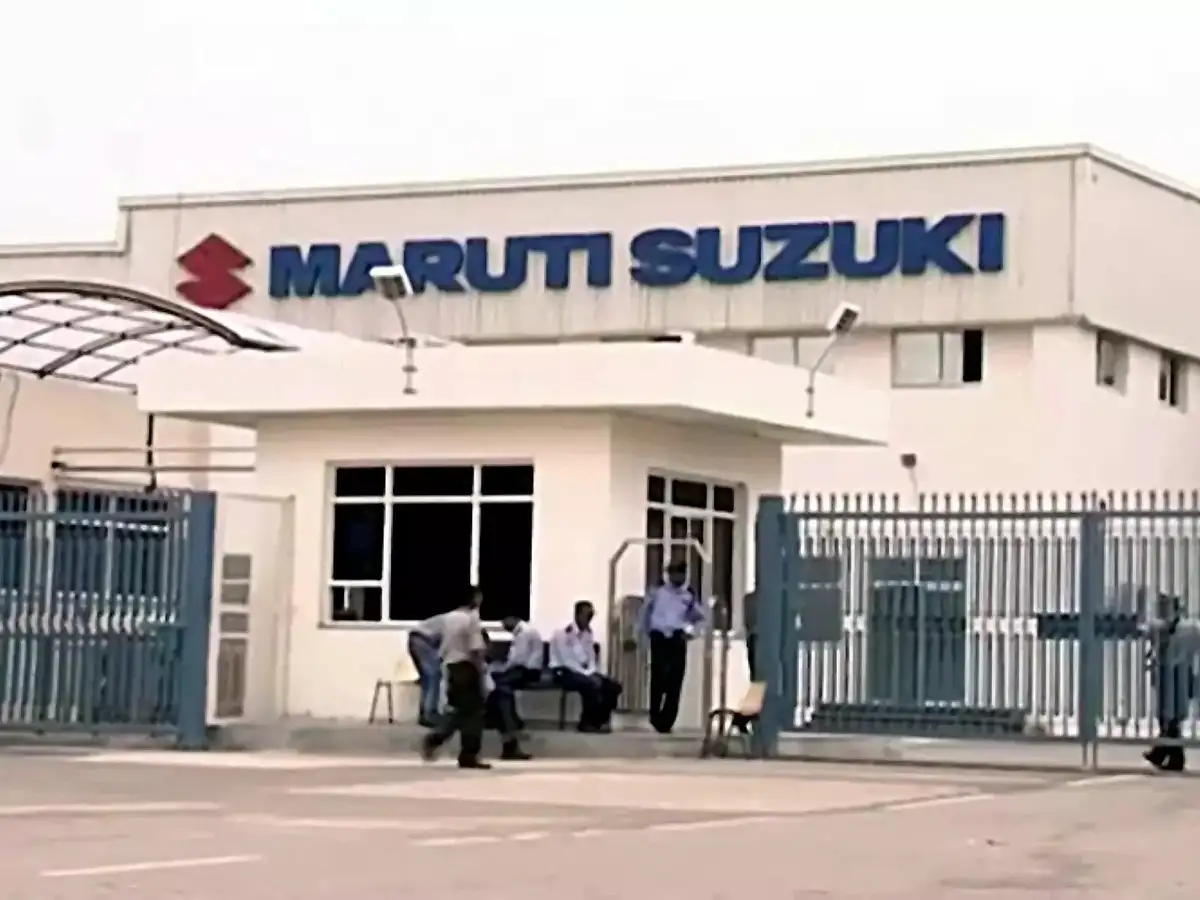
Maruti Suzuki to Build Mega Car Plant in Gujarat with Rs 35,000 Crore Investment
Maruti Suzuki India Limited is gearing up for one of the largest automobile investments in India in recent years. The company has announced a Rs 35,000 crore investment to develop a new vehicle manufacturing facility at Khoraj, near Gandhinagar, Gujarat. This development is expected to reinforce Gujarat’s position as a leading automobile manufacturing hub and create significant employment opportunities across the region.
The plant will be constructed on 1,750 acres of land allotted by the Gujarat Industrial Development Corporation (GIDC). The formal handover of the investment letter was held in Gandhinagar, with key dignitaries in attendance, including Gujarat Chief Minister Bhupendra Patel, Deputy Chief Minister Harsh Sanghavi, and Maruti Suzuki India Limited Managing Director Hisashi Takeuchi, alongside other senior officials from the company.
The announcement marks a critical milestone in Maruti Suzuki’s expansion strategy and underlines the company’s commitment to strengthening its manufacturing footprint in India, particularly in Gujarat.
A State-of-the-Art Manufacturing Facility
The Khoraj project will comprise four separate manufacturing units, each capable of producing 2.5 lakh vehicles annually. This brings the total planned production capacity of the facility to 10 lakh cars per year, making it one of the largest automobile manufacturing setups in the country. Production at the first unit is scheduled to begin in the financial year 2029, with subsequent units expected to come online gradually, creating a massive boost to India’s vehicle manufacturing capabilities.
According to state officials, the Khoraj project is expected to generate direct employment for over 12,000 people. Beyond this, the development of ancillary units, micro, small, and medium enterprises (MSMEs), and associated industries around the plant is projected to create around 7.5 lakh indirect employment opportunities over time.
This combination of direct and indirect jobs is expected to transform Khoraj and its surrounding areas into an integrated automobile cluster, further cementing Gujarat’s reputation as a national hub for automotive manufacturing and mobility innovation.
Strategic Importance for Gujarat and India
Gujarat Chief Minister Bhupendra Patel emphasized that the investment aligns closely with Prime Minister Narendra Modi’s “Make in India, Made for the World” initiative. He noted that the project would not only strengthen Gujarat’s position as a major automobile corridor but also demonstrate the effectiveness of the state’s policy-driven governance, robust infrastructure, and industry-focused development approach.
Deputy Chief Minister Harsh Sanghavi highlighted the strong collaboration between India and Japan, pointing out that Japanese companies have historically played a critical role in Gujarat’s industrial growth. He assured Maruti Suzuki of proactive government support for its expansion plans, stating that the state would facilitate smooth regulatory approvals and infrastructure development to ensure the project progresses efficiently.
Maruti Suzuki’s Perspective
Hisashi Takeuchi, Managing Director of Maruti Suzuki India Limited, praised the Gujarat government for its continued support and highlighted the state’s growing prominence as a hub for automotive innovation and mobility transformation. Takeuchi added that the Khoraj plant is part of the company’s broader plan to actively contribute to India’s manufacturing ecosystem and support the national Make in India initiative.
He explained that the new facility would be designed with the latest manufacturing technologies, ensuring high efficiency and environmentally sustainable operations. The plant is expected to integrate advanced production systems, robotics, and smart factory solutions to ensure precision, productivity, and reduced environmental impact.
Existing Presence and Expansion Plans
Maruti Suzuki already operates a major plant at Hansalpur, Gujarat, which currently has a production capacity of 7.5 lakh vehicles per year. This plant is expected to expand to 10 lakh units annually by the 2026–27 financial year, complementing the new Khoraj facility.
The Memorandum of Understanding (MoU) for the Khoraj plant was signed during the Vibrant Gujarat Summit 2024, underscoring the state’s appeal to major automobile investors. The Khoraj project represents a continuation of Maruti Suzuki’s long-standing partnership with Gujarat, and it is expected to significantly enhance the state’s industrial profile.
Economic Impact on Gujarat
The Khoraj plant is anticipated to have a wide-ranging economic impact on Gujarat. Besides creating direct employment opportunities, the project is expected to spur the development of supply chains, small businesses, and ancillary industries in the region. Analysts predict that the creation of an integrated auto cluster will attract other domestic and international manufacturers, suppliers, and logistics providers, further strengthening Gujarat’s automobile ecosystem.
The facility is also expected to boost local economies through increased demand for housing, education, and healthcare services, driven by the influx of employees and their families. Over time, Khoraj could emerge as a vibrant industrial township, transforming the social and economic landscape of the region.
Positioning Gujarat as India’s Auto Powerhouse
Gujarat has long been considered one of India’s most competitive industrial states, thanks to its pro-business policies, world-class infrastructure, and investor-friendly environment. The state has emerged as a preferred destination for automobile and mobility companies, including Maruti Suzuki, Tata Motors, Ford, and MG Motor.
With the addition of the Khoraj plant, Gujarat is set to solidify its status as a key automobile hub, with a combined production capacity of more than 20 lakh vehicles per year across Maruti Suzuki facilities alone. This positions the state as a critical contributor to India’s automotive exports, particularly as global companies look to India as a hub for both domestic and international markets.
Boosting Employment and Skill Development
One of the most significant benefits of the Khoraj plant is job creation. Direct employment for 12,000 people will include a range of roles, from skilled manufacturing jobs to managerial positions. Additionally, the establishment of ancillary industries and MSMEs is expected to generate approximately 7.5 lakh indirect jobs, benefiting local communities and creating opportunities for youth and skilled workers.
The project is also expected to emphasize skill development and vocational training, aligning with Gujarat’s broader strategy to enhance workforce capabilities. Employees are likely to receive training in advanced automotive technologies, robotics, and smart manufacturing, equipping them with skills that are highly valuable in the growing global mobility sector.
Aligning with India’s Make in India Initiative
The Khoraj plant aligns with India’s Make in India and export-oriented growth strategies, which aim to encourage domestic manufacturing while increasing India’s share in global automobile production. Maruti Suzuki’s expansion supports the government’s vision to make India a manufacturing and export hub for automobiles, particularly in electric vehicles (EVs) and next-generation mobility solutions.
By leveraging Gujarat’s strategic location, world-class infrastructure, and industrial ecosystem, the new facility is expected to accelerate the adoption of advanced manufacturing practices and encourage other global automobile companies to invest in India.
Environmental and Technological Considerations
Maruti Suzuki has confirmed that the Khoraj plant will incorporate sustainable and environmentally responsible practices. This includes energy-efficient manufacturing systems, waste management strategies, and water conservation measures. The company also plans to use cutting-edge automation and robotics to improve efficiency while minimizing environmental impact.
Such measures align with global trends in sustainable automotive manufacturing, ensuring that the facility not only contributes to economic growth but also adheres to international environmental standards.
The Future of Gujarat’s Auto Corridor
The Khoraj project, combined with Maruti Suzuki’s Hansalpur plant and the broader industrial ecosystem in Gujarat, is expected to create one of the largest integrated automobile corridors in India. This corridor is likely to attract both domestic and international investments, boosting Gujarat’s position as a global mobility hub.
Industry experts believe that Gujarat could eventually rival other major automotive hubs in India, such as Tamil Nadu and Maharashtra, due to its scale, infrastructure, and policy support. The state’s focus on industrial clusters, workforce development, and global partnerships positions it uniquely for sustained growth in the automotive sector.
Maruti Suzuki’s Rs 35,000 crore investment in the Khoraj manufacturing plant is a landmark decision for both the company and Gujarat. It is expected to transform the region into a major automobile hub, create hundreds of thousands of jobs, and strengthen India’s position in global automobile manufacturing.
With world-class infrastructure, skilled workforce development, and a focus on Make in India and sustainability initiatives, the Khoraj project represents a major step forward in India’s industrial and economic growth story. As Maruti Suzuki continues to expand its footprint in Gujarat, the state is poised to emerge as India’s auto powerhouse, attracting further investments and shaping the future of the country’s mobility landscape.


