


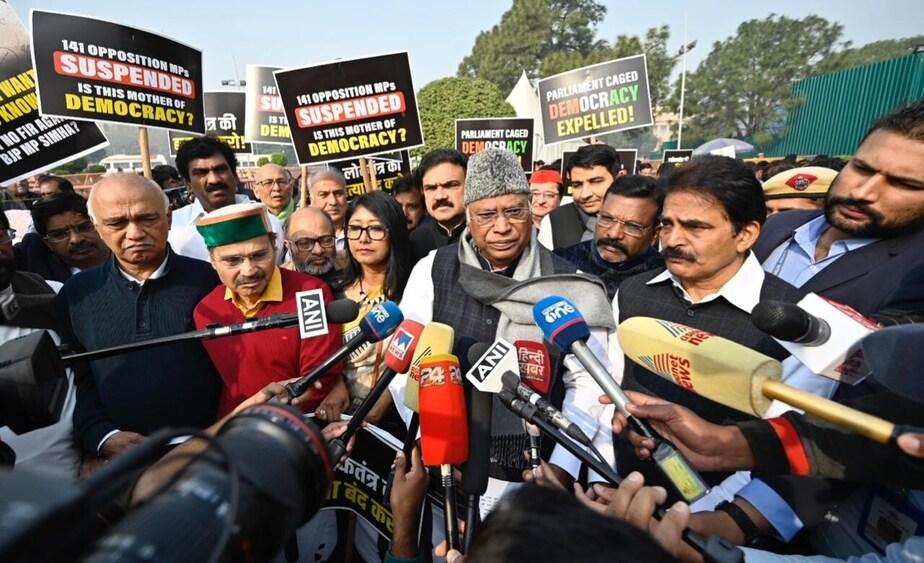
The opposition INDIA bloc is preparing to hold a major protest in New Delhi on October 12, 2026, with Trinamool Congress (TMC) chief Mamata Banerjee set to participate, according to reports published on October 10. The demonstration comes amid escalating political tensions over the Election Commission’s Special Intensive Revision (SIR) of electoral rolls and opposition allegations of irregularities in the process.
Banerjee, who had initially planned to return to Kolkata, has decided to extend her stay in the national capital to join the protest. TMC leader Abhishek Banerjee is also expected to travel to Delhi to participate in the demonstration.
The planned mobilisation follows several days of protests against Chief Election Commissioner Gyanesh Kumar, with opposition leaders demanding accountability over the electoral roll revision exercise. The INDIA bloc’s move signals an effort to coordinate its campaign and present a united front against what its leaders describe as concerns over electoral transparency.
Why Is the INDIA Bloc Protesting?
The central issue behind the planned demonstration is the Special Intensive Revision of electoral rolls, an exercise conducted by the Election Commission to review and update voter lists. Opposition parties have raised concerns about the process, alleging that irregularities could affect eligible voters and the fairness of elections.
The opposition has criticised the role of Chief Election Commissioner Gyanesh Kumar and called for greater transparency in the functioning of the poll panel. Some INDIA bloc leaders have also demanded his resignation.
The Election Commission has defended its procedures, maintaining that its decisions follow established legal and statutory requirements. The allegations raised by opposition parties remain contested, making electoral roll revision a significant point of political disagreement.
The October 12 protest is expected to bring these concerns into sharper public focus, with opposition leaders seeking to increase pressure on the Election Commission and the Union government.
Mamata Banerjee Changes Her Delhi Plans
Banerjee’s decision to remain in Delhi adds prominence to the planned demonstration. The TMC chief had travelled to the capital amid the ongoing opposition campaign and had initially considered returning to Kolkata.
Her decision to participate reflects the TMC’s intention to remain involved in the broader opposition movement. Abhishek Banerjee is also expected to join the October 12 programme, according to reports.
The TMC has been vocal about electoral transparency and has backed opposition demands for accountability in the conduct of the SIR exercise. Banerjee’s presence could strengthen coordination between the party and other INDIA bloc constituents as they seek to sustain pressure on the issue.
However, the final scale of participation will depend on the attendance of leaders and workers from the alliance’s constituent parties.
Opposition Unity Faces a Key Test
The planned protest comes as opposition parties attempt to coordinate their political strategy around electoral reforms and the functioning of constitutional institutions. The INDIA bloc has discussed nationwide demonstrations, public outreach and other forms of political mobilisation as part of its campaign.
A joint demonstration in the national capital would provide participating parties with a platform to communicate their demands and draw attention to their concerns about the electoral process.
The protest also presents an opportunity for opposition leaders to demonstrate unity on an issue they consider central to democratic accountability. Whether the mobilisation translates into further political or institutional action remains uncertain.
What Happens Next?
The October 12 demonstration is likely to keep the SIR controversy at the centre of the national political debate. Opposition parties are expected to use the gathering to reiterate their demands and seek wider public support.
The Election Commission’s response, the level of opposition participation and any subsequent decisions by political leaders will shape the next stage of the dispute.
For now, the planned protest marks another escalation in the confrontation between opposition parties and the poll panel, with electoral transparency and institutional accountability emerging as the principal issues.


