


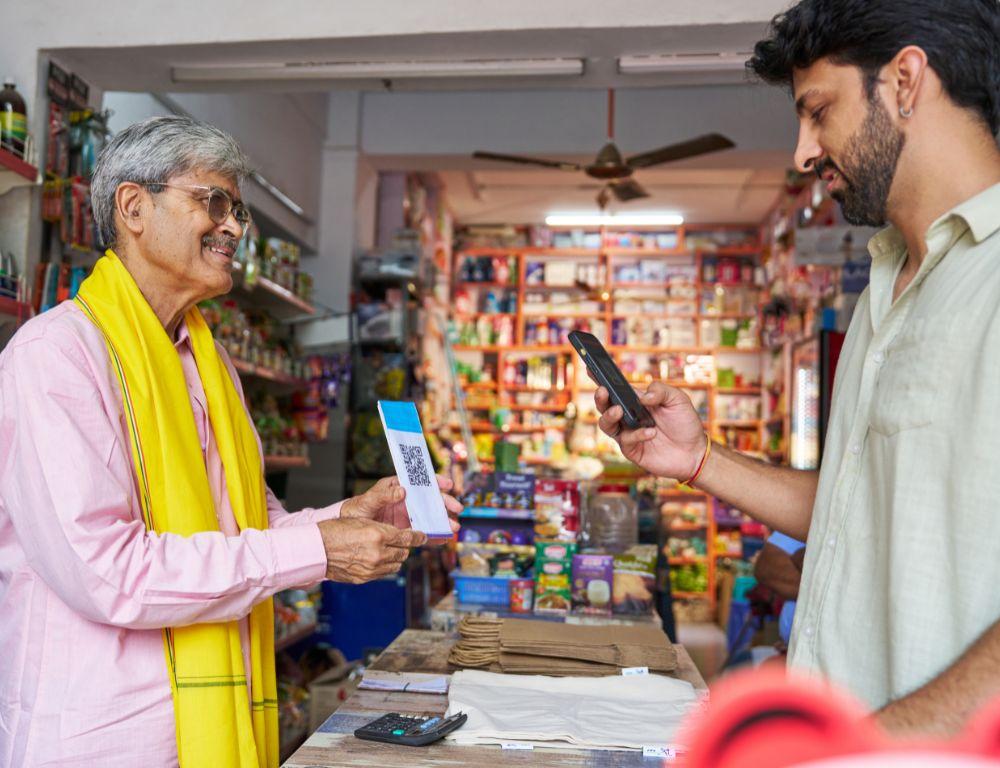
NEW DELHI, September 15, 2026: The Government of India has clarified that Unified Payments Interface (UPI) transactions of up to ₹2,000 will remain free of direct and indirect charges, providing relief to millions of consumers and small merchants who rely on UPI for everyday payments. The Finance Ministry’s notification specifies that banks and payment-system providers cannot impose charges on either the person making or receiving eligible UPI payments.
The clarification comes amid growing speculation following recent amendments to the Payment and Settlement Systems Act, 2007, which created a legal framework allowing charges to potentially be introduced on certain digital payment transactions. The changes had raised concerns that UPI users could eventually face additional costs for routine purchases.
Small UPI Payments Protected
Under the latest notification, UPI transactions up to ₹2,000 are specifically protected from charges. RuPay debit-card payments have also been included among the electronic payment modes covered by the government’s no-charge provision. Banks and system providers are prohibited from imposing fees either directly or indirectly on the payer or recipient for these specified transactions.
The decision is particularly significant for India’s large base of consumers making low-value payments. UPI has become an integral part of everyday commerce, from buying groceries and paying at roadside stalls to settling restaurant bills and making payments to local service providers.
Government data cited by the Indian Express shows that during 2025-26, more than 24,000 crore UPI transactions worth ₹314 lakh crore were processed. Only about 4% of person-to-merchant UPI transactions exceeded ₹2,000, although those higher-value payments represented approximately two-thirds of the total transaction value.
What About Payments Above ₹2,000?
The new framework has also generated questions about larger UPI payments. The government’s notification specifically protects transactions up to ₹2,000, while the broader legal changes create the possibility of charges being introduced for certain higher-value merchant transactions.
However, there is no blanket consumer charge on UPI simply because a payment exceeds ₹2,000. Reports indicate that discussions are continuing around how potential merchant-side charges could work. Reuters reported that India’s payments authority is consulting banks and payment companies on possible fees for larger merchant transactions, but a final charging structure has not been established.
This distinction is important for consumers. The current development does not mean that every person paying more than ₹2,000 through UPI will automatically be charged a transaction fee.
Boost for Digital Payments
The government’s decision is expected to reinforce confidence in India’s digital-payment ecosystem. UPI’s rapid expansion has been driven partly by its convenience, speed and low-cost structure, allowing even small merchants to accept electronic payments without maintaining expensive card-payment infrastructure.
For neighbourhood retailers, street vendors and consumers, keeping smaller transactions free is particularly important because many daily purchases fall well below the ₹2,000 threshold. Maintaining this cost advantage could help sustain UPI adoption across urban and rural markets.
The move also supports India’s broader push toward a less-cash-dependent economy. Digital transactions provide consumers with electronic records while giving businesses faster payment confirmation and reducing the need to handle physical cash.
UPI’s Next Phase
The latest notification therefore provides clarity while leaving the future treatment of larger merchant payments open to further decisions. For now, consumers can continue using UPI for payments up to ₹2,000 without direct or indirect charges, while person-to-person transfers also remain free under the current framework.
With UPI processing billions of transactions every month, the government’s approach is likely to remain closely watched by consumers, banks, fintech companies and merchants as India works to balance affordability, innovation and the long-term sustainability of its digital payments infrastructure.


