


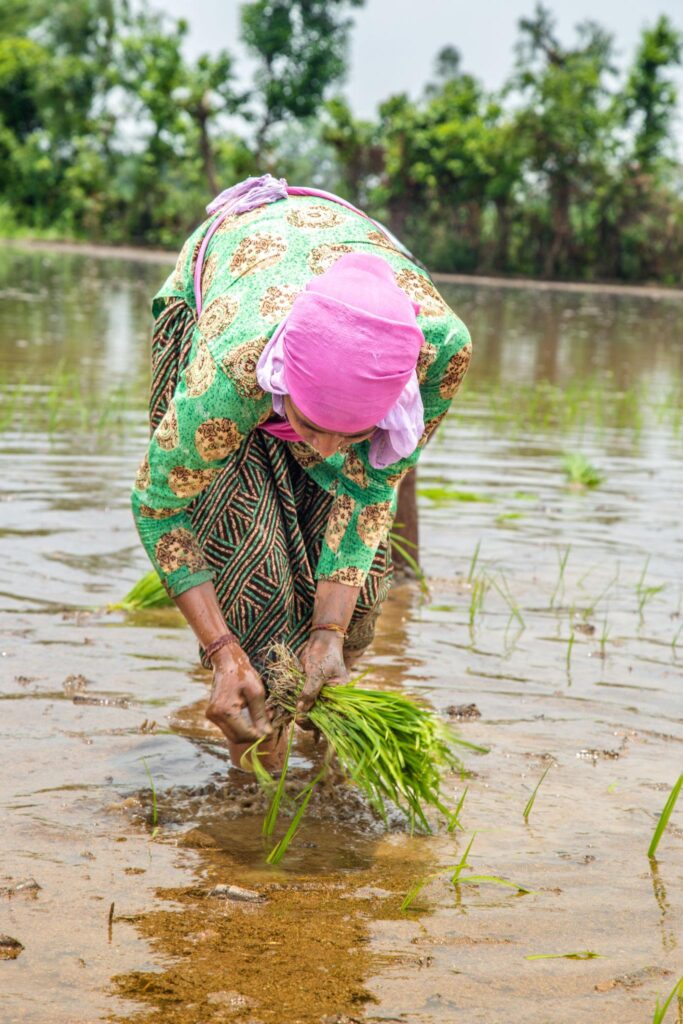
India has officially emerged as the world’s largest rice producer, marking a significant milestone for the country’s agricultural sector. The announcement was made by Union Agriculture Minister Shivraj Singh Chouhan, who highlighted India’s growing contribution to global food security and its expanding agricultural capabilities. The achievement underscores the country’s status as a major agricultural powerhouse and reflects years of investment in farming infrastructure, technology, and crop productivity.
According to government data, India has surpassed traditional competitors, including China, in total rice production. The development comes at a crucial time when concerns over climate change, food inflation, and global supply chain disruptions continue to affect agricultural markets worldwide. Officials noted that increased productivity, improved seed varieties, and better irrigation practices have played a vital role in boosting rice output across major producing states.
The announcement coincided with the launch of a nationwide contingency plan for the 2026 kharif season. The Agriculture Ministry has prepared strategies to address potential challenges arising from below-normal monsoon forecasts linked to developing El Niño conditions. The government aims to ensure stable food production despite weather-related uncertainties and safeguard the livelihoods of millions of farmers dependent on seasonal rainfall.
India’s rice cultivation is concentrated in states such as West Bengal, Uttar Pradesh, Punjab, Andhra Pradesh, Telangana, and Chhattisgarh. These regions collectively account for a substantial share of the country’s paddy production and have benefited from government support programs, mechanization, and advancements in agricultural research.
Experts say India’s rise to the top position reflects not only increased production volumes but also the country’s growing influence in global rice exports. India has consistently remained one of the largest rice exporters in the world, supplying both premium and non-premium rice varieties to countries across Asia, Africa, the Middle East, and Europe. Indian rice exports play a critical role in maintaining food availability in several developing nations.
Agricultural economists believe the achievement could strengthen India’s position in international agricultural trade and enhance its bargaining power in global food markets. However, they also caution that sustaining this leadership will require continued investments in water management, climate-resilient farming techniques, and modern agricultural infrastructure.
The milestone arrives amid increasing concerns over climate variability and water scarcity. Rice cultivation is highly dependent on adequate water availability, making efficient irrigation systems and sustainable farming practices essential for long-term growth. Policymakers have emphasized the need to balance production targets with environmental sustainability to ensure future food security.
Farmers’ organizations have welcomed the announcement, describing it as recognition of the hard work of millions of cultivators across the country. They have also called for greater support in the form of better market access, storage facilities, crop insurance, and technology adoption to help maintain production levels and improve rural incomes.
As India celebrates becoming the world’s largest rice producer, the achievement highlights the country’s agricultural strength and its increasingly important role in feeding a growing global population. With continued focus on innovation and sustainability, India is expected to remain a dominant force in the global rice market for years to come.


