


In a diplomatic move India has welcomed the recent ceasefire agreement between Israel and Lebanon. They are strongly supporting peace, stability and calm in the West Asia region. This is happening when global attention is on rising tensions and the ceasefire is a step to restore calm.
The ceasefire follows a period of fighting between Israel and Lebanon especially along their border. The escalation worried powers about a bigger conflict in the Middle East. Indias response shows a diplomatic approach based on dialogue, restraint and respect for international rules.
Indias Ministry of External Affairs welcomed the development. Asked all parties to follow the ceasefire agreement. They stressed the need for diplomatic talks and urged stakeholders to avoid actions that could destabilize the region. India also repeated its standing position that conflicts must be solved through peaceful talks, not military action.
West Asia is very important for India both economically and geopolitically. A big part of Indias energy imports comes from this region making stability crucial for Indias security. Also many Indians. Work in West Asian countries contributing to local economies and Indias remittance inflows. Any prolonged instability directly affects these interests making Indias proactive engagement essential.
Indias approach is balanced given its ties with both Israel and Arab nations. Over the years India has strengthened its partnership with Israel in areas like defense technology and innovation. At the time it has maintained strong relations with countries like Lebanon and other Arab nations. This dual engagement helps India play an neutral role in regional diplomacy.
Experts think that Indias support for the ceasefire boosts its image as a global power committed to peace and cooperation. By backing -escalation efforts India aligns itself with international calls for stability while protecting its national interests. The move also reflects Indias “Act West” policy, which focuses on strengthening ties with Middle Eastern countries.
The ceasefire is expected to have global implications. Historically tensions in West Asia have directly impacted oil prices and financial markets. A reduction in hostilities could help stabilize oil prices ease supply chain disruptions and contribute to economic stability. For a country like India, which relies heavily on energy imports such developments are particularly significant.
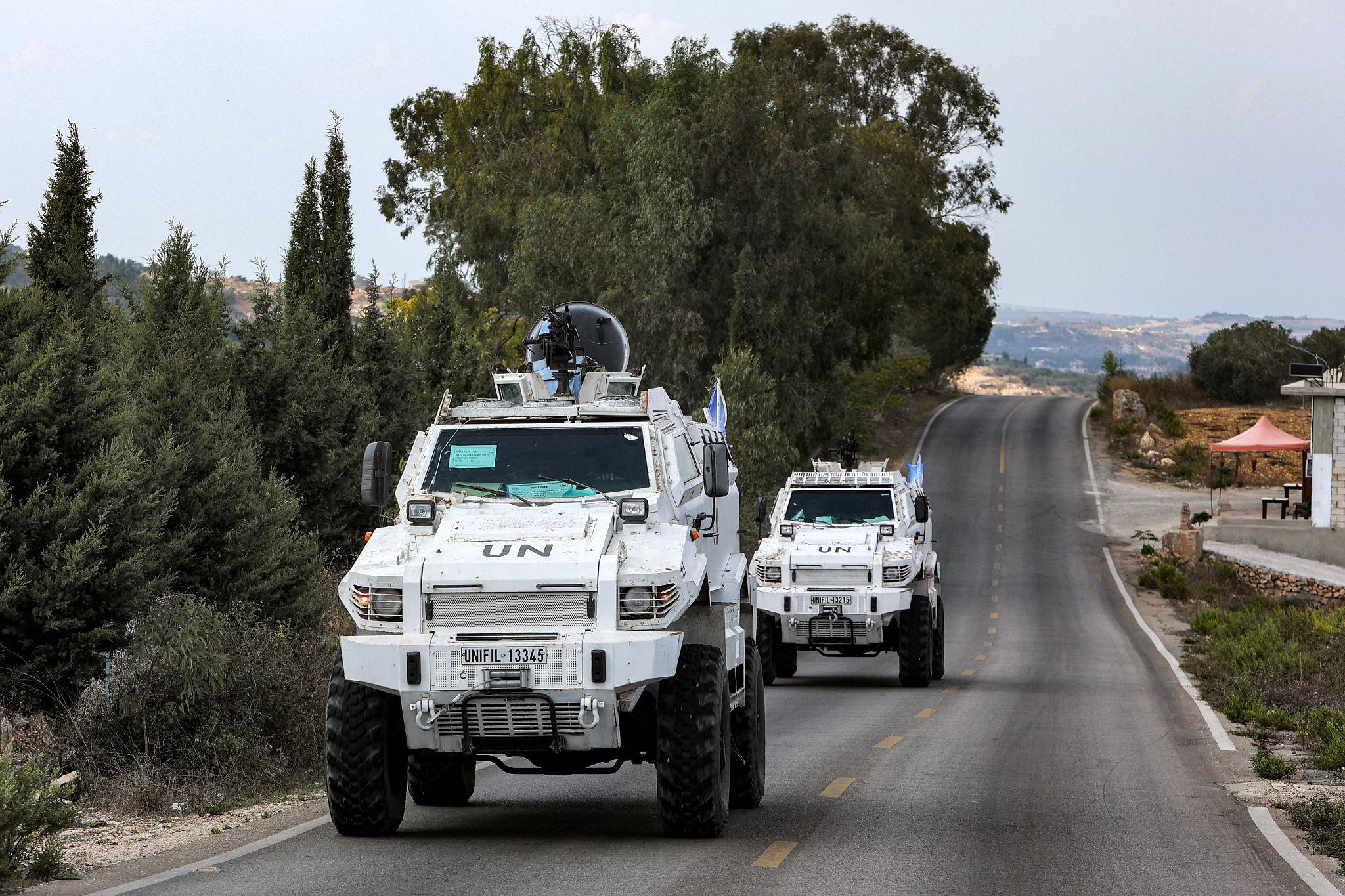
However analysts warn that while the ceasefire is a step it is fragile and needs continuous monitoring. Ensuring long-term peace will depend on confidence-building measures, diplomatic talks and adherence to agreed terms by all parties. International organizations, including the United Nations are expected to play a role in maintaining peacekeeping efforts in the region.
Indias call for restraint and dialogue shows its commitment to a rules-based order. The country has consistently advocated for conflict resolution and respect for sovereignty principles that are central to global stability.
In conclusion Indias welcome of the Israel–Lebanon ceasefire shows its balanced foreign policy approach. As the situation evolves India is likely to remain engaged diplomatically supporting efforts that promote lasting peace and stability, in West Asia while safeguarding its economic interests.


