


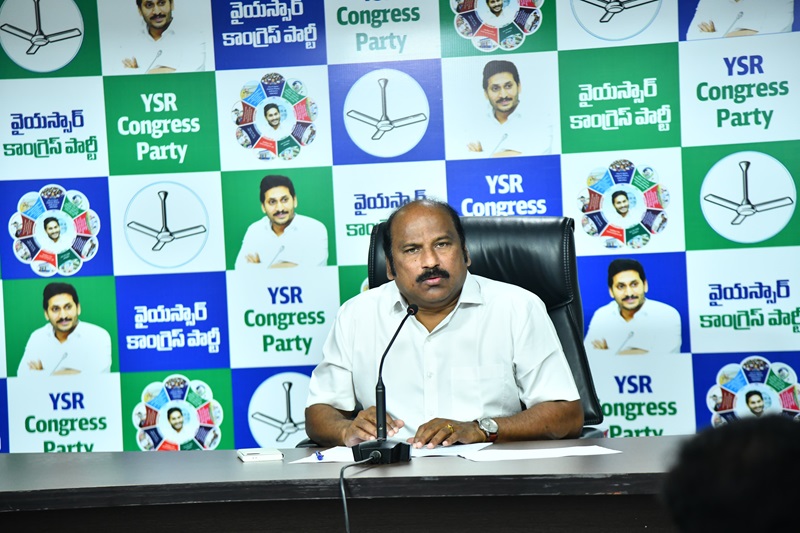
The YSR Congress Party (YSRCP) has strongly criticized the reported move to appoint a one-man committee to examine findings of a Special Investigation Team (SIT), calling it an “insult” to the Supreme Court and the judicial process. Party leaders argued that once a court-monitored investigation has submitted its findings, creating a separate panel to reassess or reinterpret the report undermines institutional credibility.
Addressing the media, senior YSRCP representatives said that the SIT was constituted following judicial directions and operated within a legal framework. “If an SIT functions under the supervision of constitutional authorities and submits its report as per procedure, what is the need for a one-man committee?” a party spokesperson asked, suggesting that such a move could set a concerning precedent.
The controversy stems from political and legal disagreements over the interpretation of the SIT’s conclusions. While the ruling dispensation has indicated that further scrutiny may be necessary to ensure transparency and accountability, the YSRCP contends that judicially supervised investigations should not be subjected to parallel review mechanisms without compelling legal grounds.
Party leaders also questioned the timing of the proposed committee, alleging that it could be politically motivated. They asserted that due process must be respected and that any objections to the SIT report should be addressed through established legal channels, including appeals or petitions before the appropriate courts.
Legal experts note that while governments can constitute committees for administrative review, such actions must not conflict with court directives or override judicial authority. If an SIT was formed under court supervision, any deviation or additional review could invite legal scrutiny.
The YSRCP maintained that its objection is not about shielding anyone but about safeguarding constitutional principles. “The integrity of the judiciary must remain above politics,” a senior leader said, emphasizing that institutional balance between the executive and the judiciary is fundamental to democracy.
Meanwhile, political observers say the development has intensified tensions between the ruling party and the opposition in Andhra Pradesh. The issue is expected to witness further debate both inside and outside the legislature, and may eventually be tested in court if challenged legally.
As the controversy unfolds, the focus remains on whether the proposed one-man committee will proceed and, if so, under what legal framework. For now, the YSRCP has made its position clear: any move perceived as diluting or bypassing judicial oversight will be firmly opposed.


