


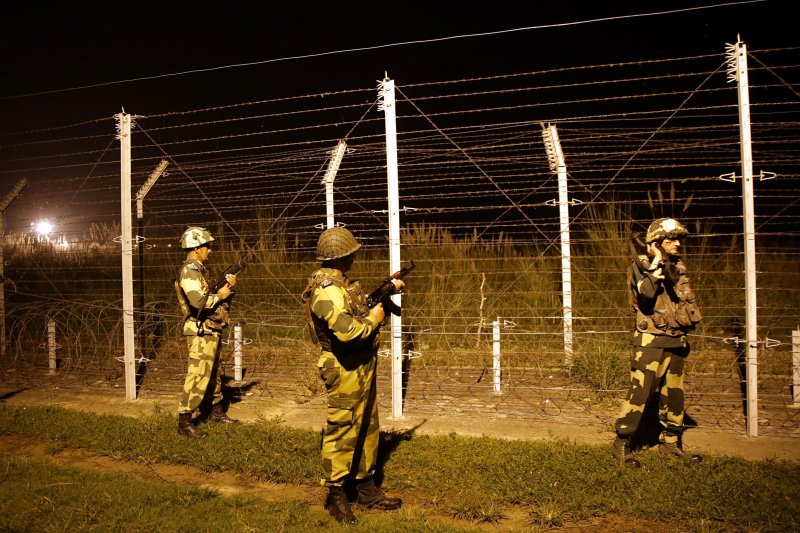
Border states across India have been placed on heightened alert following a significant escalation in night-time surveillance along sensitive frontier areas. Security agencies have intensified monitoring operations after recent intelligence assessments indicated an increase in suspicious cross-border movements and drone-related activities, particularly during late-night and early-morning hours.
Officials confirmed that advanced surveillance technologies, including thermal imaging cameras, ground sensors, radar-based monitoring systems, and unmanned aerial vehicles, have been deployed across multiple sectors. These measures aim to enhance real-time detection of infiltration attempts, smuggling activities, and unauthorized drone incursions, which have emerged as a growing security concern in recent years.
The Border Security Force stated that additional quick-reaction teams and night patrol units have been stationed at forward posts to ensure immediate response capability. Patrol patterns have been recalibrated to cover vulnerable stretches, riverine belts, and low-visibility terrain that historically pose challenges during winter months. Coordination with state police, intelligence agencies, and local administrative units has also been strengthened to ensure seamless information flow.
Security officials noted that night-time surveillance has become a critical focus due to the increased use of low-altitude drones for reconnaissance and contraband drops. To counter this, anti-drone measures, including signal jammers and detection systems, are being actively tested and deployed in select high-risk zones. Authorities emphasized that these efforts are preventive and intelligence-driven, designed to neutralize potential threats before they escalate.
State governments in border regions have issued advisories to district administrations and village defense committees, urging heightened vigilance at the local level. Residents living near border areas have been encouraged to promptly report unusual movements, unidentified objects, or drone sightings. In several regions, community outreach programs have been activated to reinforce civilian cooperation with security forces.
The escalation comes amid broader nationwide security preparations ahead of Republic Day, a period traditionally marked by increased alertness across critical infrastructure and strategic locations. Officials clarified that there is no immediate cause for public alarm but stressed that proactive measures are essential given evolving security challenges and regional geopolitical dynamics.
Experts believe the intensified surveillance reflects a shift toward technology-driven border management, combining human intelligence with advanced monitoring systems. While such measures enhance deterrence, analysts underline the importance of sustained investment in infrastructure, training, and inter-agency coordination to maintain long-term effectiveness.
Authorities reiterated their commitment to safeguarding territorial integrity and maintaining peace along border regions, stating that surveillance levels will remain elevated as long as threat assessments warrant continued vigilance.


