

India Emerges as a Strategic Pillar for Europe Ahead of Crucial EU-India Summit
As global power equations shift rapidly, India’s role on the world stage is gaining renewed attention. Just days before top European Union leaders arrive in New Delhi for Republic Day celebrations and the 16th India-EU Summit, a powerful message has emerged from Brussels: India is no longer just an important partner for Europe, it is becoming indispensable.
This strong signal was delivered by Kaja Kallas, the European Union’s High Representative for Foreign Affairs and Security Policy, during her address to the European Parliament. Her remarks have set the tone for what both sides are calling a major reset in EU-India relations.
A Pivotal Moment in India-EU Relations
Why the January 27 Summit Matters
The upcoming India-EU Summit on January 27 is being described as a turning point in the relationship between the two democratic powers. With Europe facing economic uncertainty, supply chain disruptions, and growing security challenges, India is increasingly viewed as a trusted and reliable partner.
According to Kallas, the summit represents renewed political momentum and a rare opportunity to move beyond long-standing discussions and deliver real outcomes. She emphasized that the meeting is not about symbolic gestures but about shaping the partnership through concrete actions.
India’s Rising Importance for Europe’s Economic Stability
From Trading Partner to Economic Backbone
The European Union is already one of India’s largest trading partners. However, Europe now sees India as a key pillar of its economic resilience. With global supply chains under strain and geopolitical tensions affecting trade flows, India’s growing manufacturing capacity, innovation ecosystem, and market size make it an attractive and dependable partner.
Kallas highlighted that Europe and India are natural allies in building stable and diversified supply chains, particularly in sectors that are critical for future growth.
Free Trade Agreement Back in Focus
A Long-Pending Deal Near the Finish Line
One of the most anticipated outcomes of the summit is progress on the EU-India Free Trade Agreement. Negotiations have dragged on for years, but both sides now appear determined to close the deal.
The proposed agreement aims to open markets, reduce trade barriers, and strengthen cooperation in strategic sectors such as clean energy technologies, pharmaceuticals, semiconductors, and advanced manufacturing. These areas have taken on new urgency as countries rethink dependence on limited suppliers.
If finalized, the FTA could significantly boost trade volumes and deepen economic integration between India and Europe.
Security and Defence Cooperation Takes Centre Stage
A New Era of Strategic Trust
Beyond trade, security cooperation is emerging as a key pillar of the renewed partnership. The EU has agreed to move forward with signing a new EU-India Security and Defence Partnership, which Kallas said she hopes to sign during the New Delhi visit.
This partnership will expand collaboration in maritime security, counterterrorism, cyber-defence, and strategic intelligence sharing. Talks are also set to begin on a security of information agreement, which would allow deeper coordination on sensitive matters.
In a world marked by growing instability, Europe believes closer security ties with India will benefit both sides.
Mobility and People-to-People Ties Get a Boost
Opening Doors for Students, Workers, and Researchers
Another key initiative expected at the summit is a memorandum of understanding on mobility cooperation. This framework aims to make it easier for students, researchers, skilled professionals, and seasonal workers to move between India and Europe.
The agreement is expected to strengthen academic collaboration, boost innovation, and address skill shortages in European economies, while offering Indian talent greater global exposure.
Both sides see people-to-people ties as essential for sustaining long-term strategic cooperation.
Technology Partnership Shapes the Future
From Artificial Intelligence to Cybersecurity
Technology cooperation is rapidly becoming a cornerstone of the EU-India relationship. Through the EU-India Trade and Technology Council, both sides are shaping collaboration in artificial intelligence, semiconductors, cybersecurity, and digital infrastructure.
According to Kallas, the goal is not merely to follow global technology trends but to set trusted standards that influence how global markets evolve. This approach reflects shared concerns about data security, ethical technology use, and digital sovereignty.
Clean Energy and Climate Collaboration
Linking Climate Goals with Economic Growth
Climate cooperation is another area where India and Europe see strong alignment. The clean energy and climate partnership connects climate ambition with industrial competitiveness.
Joint efforts include renewable energy development, green hydrogen projects, energy storage solutions, and sustainable manufacturing practices. For Europe, India’s scale and innovation potential make it a critical partner in achieving climate goals while maintaining economic growth.
The Indo-Pacific Dimension
Shared Responsibility for Regional Stability
Kallas also stressed the importance of India and Europe working together in the Indo-Pacific region. Both sides support open sea lanes, freedom of navigation, and respect for international law.
Cooperation in maritime domain awareness and regional security is seen as essential to resisting coercion and maintaining stability in one of the world’s most strategically important regions.
A Shared Commitment to Global Rules and Democracy
Defending the International Order
At a time when the global rules-based order is under pressure from wars, economic fragmentation, and political coercion, Europe sees India as a vital partner in defending international law and multilateral institutions.
Kallas emphasized that two major democracies cannot afford hesitation. She argued that India and the EU share a responsibility to uphold the principles of the United Nations Charter and adapt multilateral systems to meet 21st-century challenges.
Challenges Remain, But Momentum Is Strong
Negotiations Not Without Hurdles
Despite the optimism, Kallas acknowledged that negotiations on the joint strategic agenda and summit outcomes have not been easy. Differences remain on trade, regulations, and implementation timelines.
However, she said cooperation with Indian partners has been productive and focused, driven by a shared understanding that the summit must deliver results in a rapidly changing geopolitical environment.
India No Longer Just Important, But Indispensable
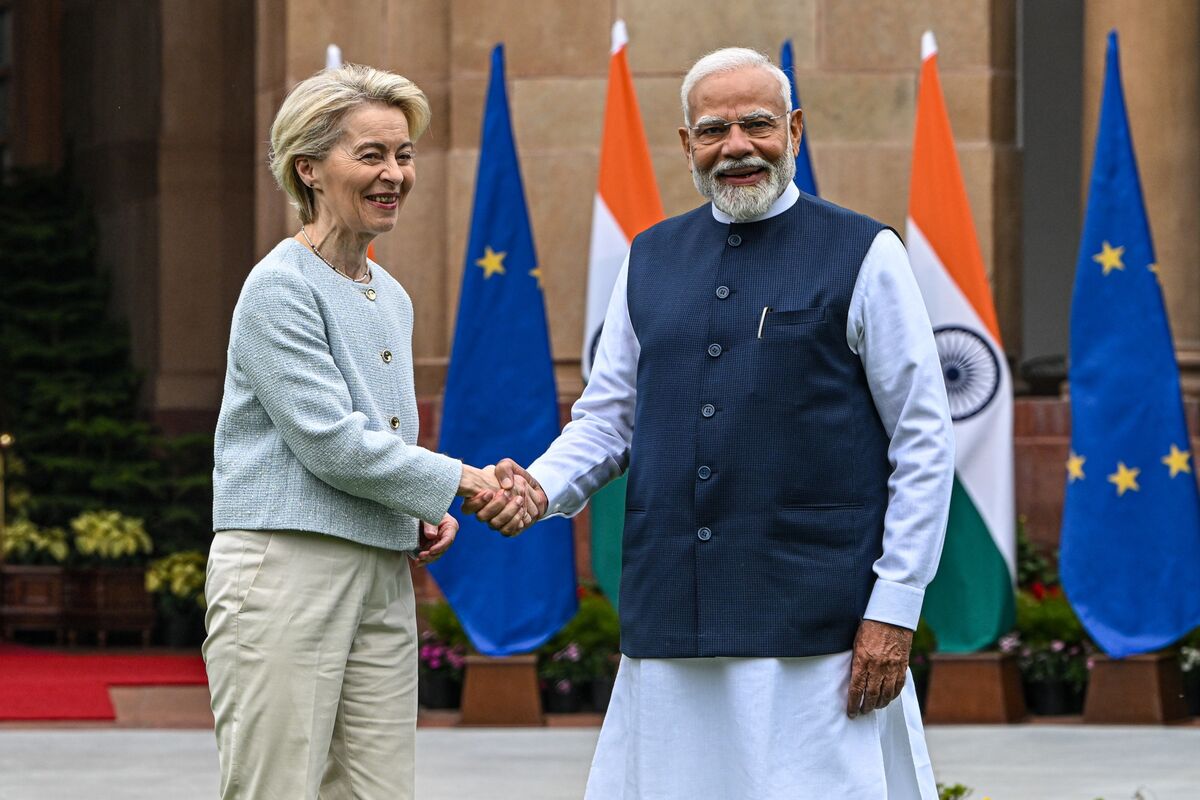
As New Delhi prepares to host European leaders for Republic Day and the summit, the message from Brussels is clear. India is no longer seen as just another strategic partner. It is increasingly viewed as essential to Europe’s economic resilience, security planning, and global influence.
If the summit delivers on its promises, the EU-India relationship could enter a new phase defined not by intent, but by action, shaping global trade, security, and technology landscapes for years to come.


