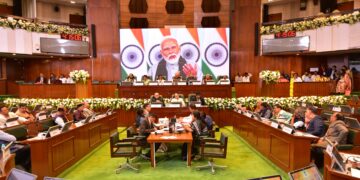


India is set to host the Commonwealth Parliamentary Conference (CPC) with a record number of international delegates, marking a major diplomatic and parliamentary milestone for the country. The announcement was made by Om Birla, Speaker of the Lok Sabha, who described the event as a reflection of India’s growing stature and leadership role within the Commonwealth community.
The conference will bring together Speakers, Presiding Officers, parliamentarians, and senior legislative officials from across Commonwealth nations, making it one of the largest parliamentary gatherings ever hosted by India. Officials confirmed that participation has exceeded previous records, highlighting strong global interest in parliamentary dialogue hosted by the country.
A Landmark Event for Parliamentary Diplomacy
The Commonwealth Parliamentary Conference is a key platform for legislators from member countries to exchange ideas on democratic governance, parliamentary best practices, and emerging global challenges. India hosting the conference with unprecedented participation underscores its commitment to democratic values, inclusive dialogue, and multilateral cooperation.
Speaker Om Birla stated that the record turnout reflects the international community’s confidence in India’s democratic institutions and its ability to host large-scale, high-level global events. He emphasized that India’s Parliament has consistently played an active role in strengthening inter-parliamentary ties and promoting democratic norms across borders.
Key Themes and Discussions
The conference agenda is expected to focus on a range of critical and contemporary issues, including:
- Strengthening democratic institutions
- Use of technology in parliamentary functioning
- Transparency and accountability in governance
- Youth participation in democracy
- Gender representation in legislatures
- Addressing global challenges such as climate change and economic inequality
Delegates will participate in plenary sessions, committee meetings, and interactive workshops designed to encourage open dialogue and the sharing of experiences among diverse parliamentary systems.
India’s Growing Global Role
India’s role as host is being seen as part of its broader effort to position itself as a leading voice of the Global South and a bridge between developed and developing democracies. Over the past few years, India has hosted several major international summits and conferences, reinforcing its reputation as a capable and reliable host for global engagements.
Officials noted that the scale of participation at this parliamentary conference is also symbolic of India’s expanding diplomatic footprint and its emphasis on parliamentary diplomacy as a tool of foreign policy.
Cultural and Institutional Showcase
Alongside formal sessions, delegates will be introduced to India’s parliamentary traditions, constitutional values, and cultural heritage. Special programs showcasing India’s diversity, history, and democratic journey have been planned to give visiting delegates a deeper understanding of the country’s governance framework.
Parliamentary officials said the conference will also provide an opportunity for bilateral meetings on the sidelines, enabling countries to strengthen ties and explore cooperation beyond the formal agenda.
Strengthening the Commonwealth Network
The record turnout is expected to reinvigorate cooperation within the Commonwealth parliamentary network, allowing members to collectively address shared challenges and learn from one another’s legislative experiences. Observers believe the conference will contribute to modernizing parliamentary practices and reinforcing democratic resilience across member nations.
As India prepares to host this landmark event, the focus remains on ensuring a productive, inclusive, and forward-looking conference. The gathering is widely seen as a testament to India’s democratic credibility and its growing influence in shaping global parliamentary dialogue.


