

Disasters preparedness teams are on standby in several states as the government increases levels of preparedness in anticipation of weather conditions that may result in emergencies. The government seeks to act quickly to avoid loss of lives and property in cases of floods, cyclones, landslides, fires, and any form of disasters.
According to reports, state administrations, along with central government departments, have put rescue operation procedures on alert, and rescue workers and relief items are ever-ready to be mobilized. The measure comes after weather alerts and on-ground situation assessments showed high susceptibilities to disasters on certain territories.
“Heightened” Preparedness
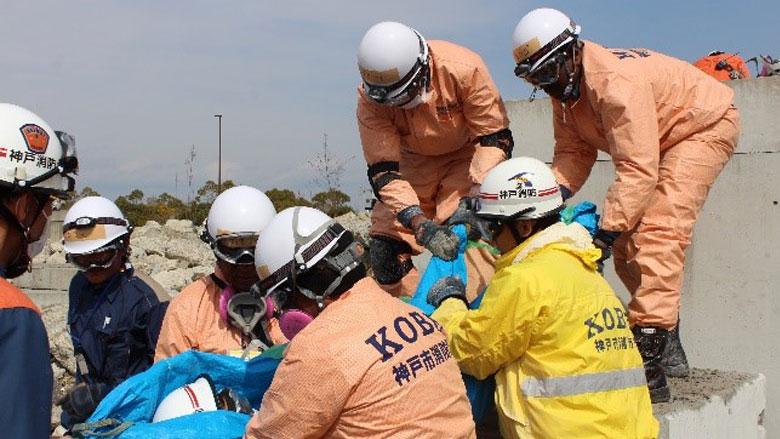
Disaster response forces, including rescue forces, have been alerted to remain on a high state of alert. Trained personnel in flood rescue, evacuation, providing medical assistance, and search activities are deployed at strategic points so that time is not wasted when disaster strikes.
Control rooms have been operational at the state and district levels to ensure continuous surveillance regarding weather forecasts and ground situations. The relevant authorities have further checked communication networks to ensure smooth coordination between disaster management departments, police, fire departments, health departments, and administrators.
- Emphasis on Vulnerable Areas
Countries that frequently experience flooding, landslides, cyclones, and severe weather events have been asked to look for areas that have high-risk districts and populations. The authorities have analyzed evacuation routes, relief shelters, and the availability of necessary items like food, water, medicine, and power backup.
In the coastal and riverine areas, teams have also been stationed near the endangered spots in order to evacuate at a short notice if needed. The district administrations are also directed to keep boats, rescue trucks, and earth-movers ready.
Coordination with Central Agencies
The concerned disaster management authorities are coordinating with the state governments to ensure that there is an adequate availability of resources. There has been inter-agency coordination to be able to mobilize additional forces in case the situation turns critical.
The health teams are also on stand-by to deal with any resultant injuries, control the outbreak of water-borne diseases, and offer health care services.
Public Advisory Issued
The authorities have called upon the people to remain alert. Residents in areas prone to landslides or those in the vicinity of rivers have been advised to remain prepared in case of evacuation.
Members of the public have been warned against spreading rumors or unconfirmed reports that could lead to panic. Channeled communication has been established for appropriate dissemination of updates.
Emphasis on Preventive Action
It was stressed that putting catastrophe management teams on standby is an proactive measure and has nothing to work with an impending threat. This is an ongoing process to be prepared during times of increased risks and threats.
The government again reiterated that early preparedness and response are critical to mitigating the effects of these disasters. Drill exercises, as well as reviews of situation preparedness, are being done to keep all response systems ready. As the relevant authorities continue to follow the events closely, the disaster management authorities are ever ready to react promptly in the event of any emergency or disaster. This reaffirms the government’s efforts to ensure the safety of lives and structures in the region.


