

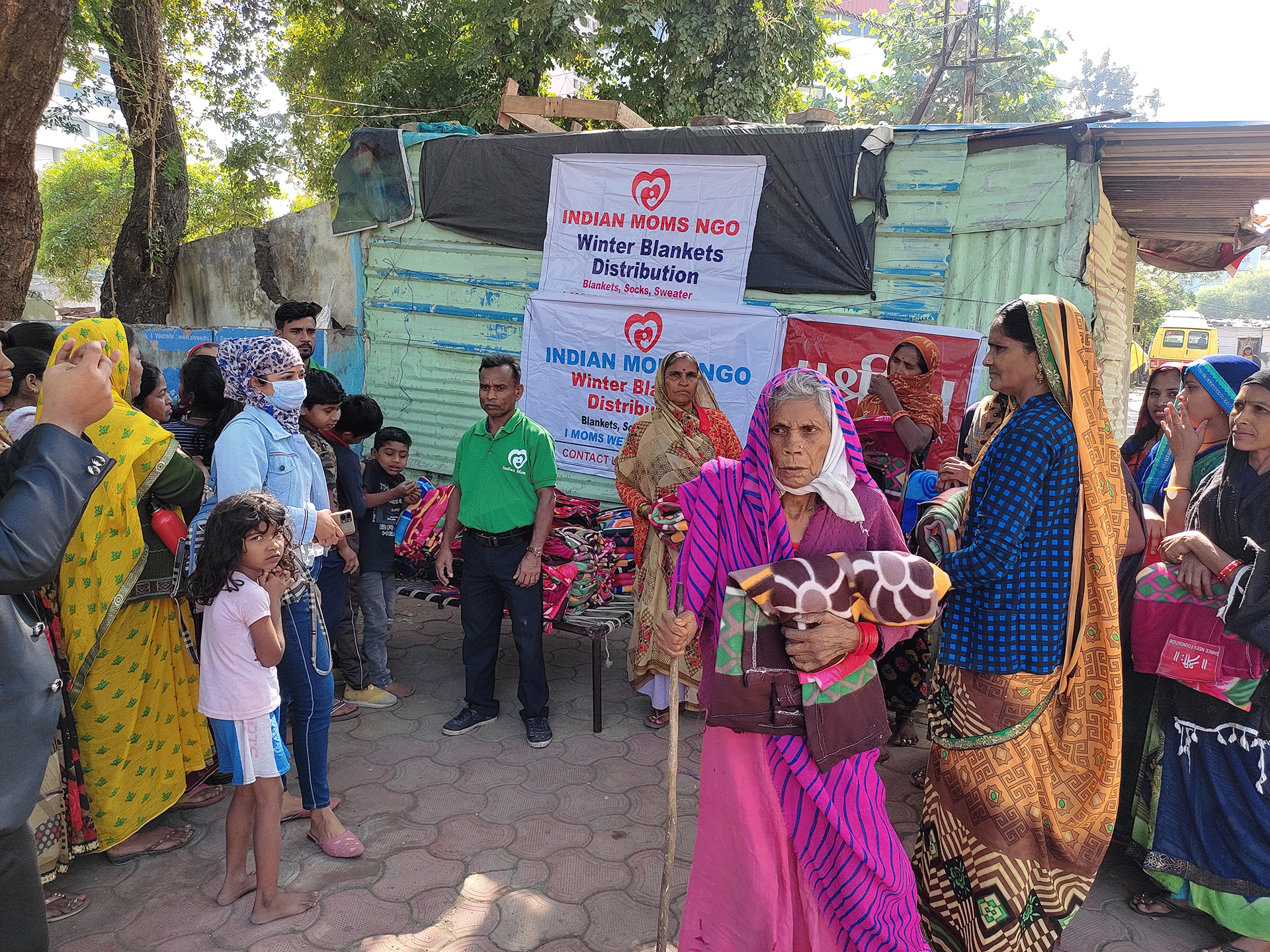
With winter temperatures plummeting in the country, the regional administration has recently stepped up efforts to protect the homeless population and other vulnerable people by increasing the distribution of blankets and increasing the availability of night shelters. The measure has come at a time when the health department has warned of the effects of the cold weather in some of the states in the Northern, Central, and Eastern parts of the country.
State administrations, in association with municipal corporations, district administrations, and welfare departments, have begun efforts to ensure that needy people receive timely assistance. Large cities such as Delhi, Lucknow, Jaipur, Patna, Bhopal, and Kolkata are observing an intensive presence of night patrol teams consisting of personnel responsible for locating homeless people and helping them reach shelters or giving assistance on the spot.
In the national capital, civic bodies have also been increasing the number of temporary night shelters along with an influx of blankets, mattresses, and warm clothing. Mobile teams have been going around places like bus terminals, railway stations, flyovers, and market areas that have huge footfalls of homeless persons. According to officials, special care has been provided to senior citizens, women, and children, and persons with disabilities in view of the extreme cold weather.
Various state administrations have also joined forces with other non-governmental bodies to improve outreach programs. This has facilitated identification of beneficiaries and distribution of relief aid to them. Volunteers have been helping the administration by providing them with hot meals, cups of tea, and medical assistance whenever the administration distributes blankets, especially when the temperature is lowest during late night and early morning.
The health departments have issued warnings to emphasize the risks associated with exposure to low temperatures, such as hypothermia, respiratory infections, and exacerbations of existing ailments. Medical staff have been deployed at major shelters to provide basic health screening and transmit severe cases to hospitals within the state. The states have been advised to provide appropriate lighting, ventilation, toilet facilities, and heating systems to prevent related health problems associated with overcrowding within the shelters.
Rural regions and small towns are also being considered in the relief plan for winter. The districts’ administrations in regions that witness frosts are handing out blankets in collaboration with panchayats and anganwadi centers. In certain states, self-help groups are also being utilized for the purpose of disbursement, so that remote and unreachable regions are also benefited. It was mentioned that migrant workers and daily-wage earners in temporary shelters are being given prime importance.
The funding for these relief activities has been ensured by the state disaster relief funds, urban development funds, and social welfare schemes. The funding for these relief activities has been ensured by state disaster relief funds, urban development funds, and social welfare schemes. The necessary helpline numbers have been advertised in different states so that people can point out where homeless people are in need.
Public awareness campaigns are also underway to encourage community involvement. Citizens have been urged to inform the concerned authorities if they notice anyone sleeping on the streets when it is freezing outside. Citizens’ welfare associations and market associations in some cities have united and collaborated with civic bodies to provide night shelters and donate blankets and warm clothes.
Nevertheless, it should be noted that despite the increased efforts, there are still some issues that have been identified by the authorities as requiring attention, especially in the matter of encouraging some of the homeless to take refuge in the shelters. These issues include safety and belongings.
Given the forecast of further bouts of chilly weather in the coming weeks, the states are in agreement that winter relief operations will continue throughout the season. Frequent meetings are in place to monitor the implementation of these operations. The authorities have again emphasized that it is not only a welfare or social service that needs to be extended to the homeless population during winter, but it is also a humanitarian responsibility. The state administrations have focused their efforts towards making sure that the difficulties associated with the cold weather are reduced to a great extent.


