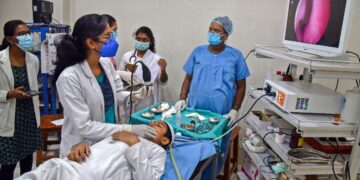


Cases of patients displaying seasonal flu, common cold, and respiratory problems have been reported at urban hospitals in India. Specialists have pointed out that this is the normal season for this experience, but the current fluctuations in temperature and levels of air pollution have contributed to this increase.
The outpatient departments of big cities like Delhi, Mumbai, Bengaluru, and Kolkata have been observing an increased flow of patients, especially of kids, senior citizens, and patients suffering from chronic respiratory disorders. Symptoms include fever, throat pain, runny nose, body aches, head or facial headaches, and cough. Moreover, in some cases, patients are feeling weak and consulting doctors.
Healthcare professionals say that the cold mornings and evenings reduce the body’s immune defenses, so the body becomes prone to attacks by the viral infection. Rapidly changing conditions from cold outdoors to warmer indoor conditions can undermine the immune system. Doctors say, according to the Indian Council of Medical Research, that the largest numbers of reported infections come under the purview of being viral, which do not necessitate vigorous treatment.
Air pollution has also turned up as another contributing factor. In many cases, in urban centers, air pollution can be high throughout the winter months, and this makes an individual more susceptible to infections, as it irritates respiratory passages. Doctors explain that those with asthma, COPD, and allergies can be particularly susceptible to infections during this period.
The pediatrics wards in the health institutions continue to register a steady stream of children, especially those in schools. The medical superintendents observe this is due to the proximity in the class environments, playgrounds, and transport provided for the children. Parents are thus advised to closely watch their kids and seek medical help in cases where the fever persists for more than two to three days and in cases of respiratory problems.
Hospitals have started taking steps to cope with the peak season influx. Extended timings of the outpatient department, improved triage, and the use of masks in waiting areas are some of the actions initiated by many hospitals. Some hospitals are even hiring extra staff during peak timings so as not to delay consultations.
It is important for medical professionals to emphasize that antibiotics are ineffective for treating flu and viral colds. Also, antibiotics must only be used as prescribed by a physician. Otherwise, overuse of antibiotics, as stated by medical professionals, will contribute to the development of antimicrobial resistance. To cure it, medical professionals generally prescribe remedies for the symptoms using rest, fluids, warm foods, and antipyretic and expectorants prescribed by a physician.
Health departments are urging citizens to practice simple preventive behaviors to prevent transmission of infection. These include washing hands frequently, practicing throat and nose covering during coughs and sneezes, avoiding close contact with those infected with the virus, and masks must always be worn in public areas if they are densely packed with citizens. Those suffering from infection symptoms are encouraged to stay at home if possible.
Vaccination is also being emphasized as another preventive method, especially for at-risk groups. Doctors advise senior citizens, pregnant women, health care providers, and people with chronic diseases to be vaccinated against flu once a year. Although immunization does not guarantee protection against infections, it works as an excellent preventive method against severe symptoms and complications.
Proper nutrition and lifestyle habits are also very helpful in taking care of the immunity system during the winter season. According to doctors, one needs to intake a balanced diet that includes lots of fruits, vegetables, and proteins, along with proper sleeping habits and moderate exercise. Soups and herbal teas are very helpful during this period. According to health officials, the rise in reported seasonal flu and common cold infections is also expected to continue for the coming weeks, due to the prevailing winter conditions. According to medical experts, with proper care, medical attention, and measures, most people can effectively combat even these infections from home, without overloading the hospital resources. Residents have been urged to remain alert and take care of their health amid the prevailing winter conditions.


