

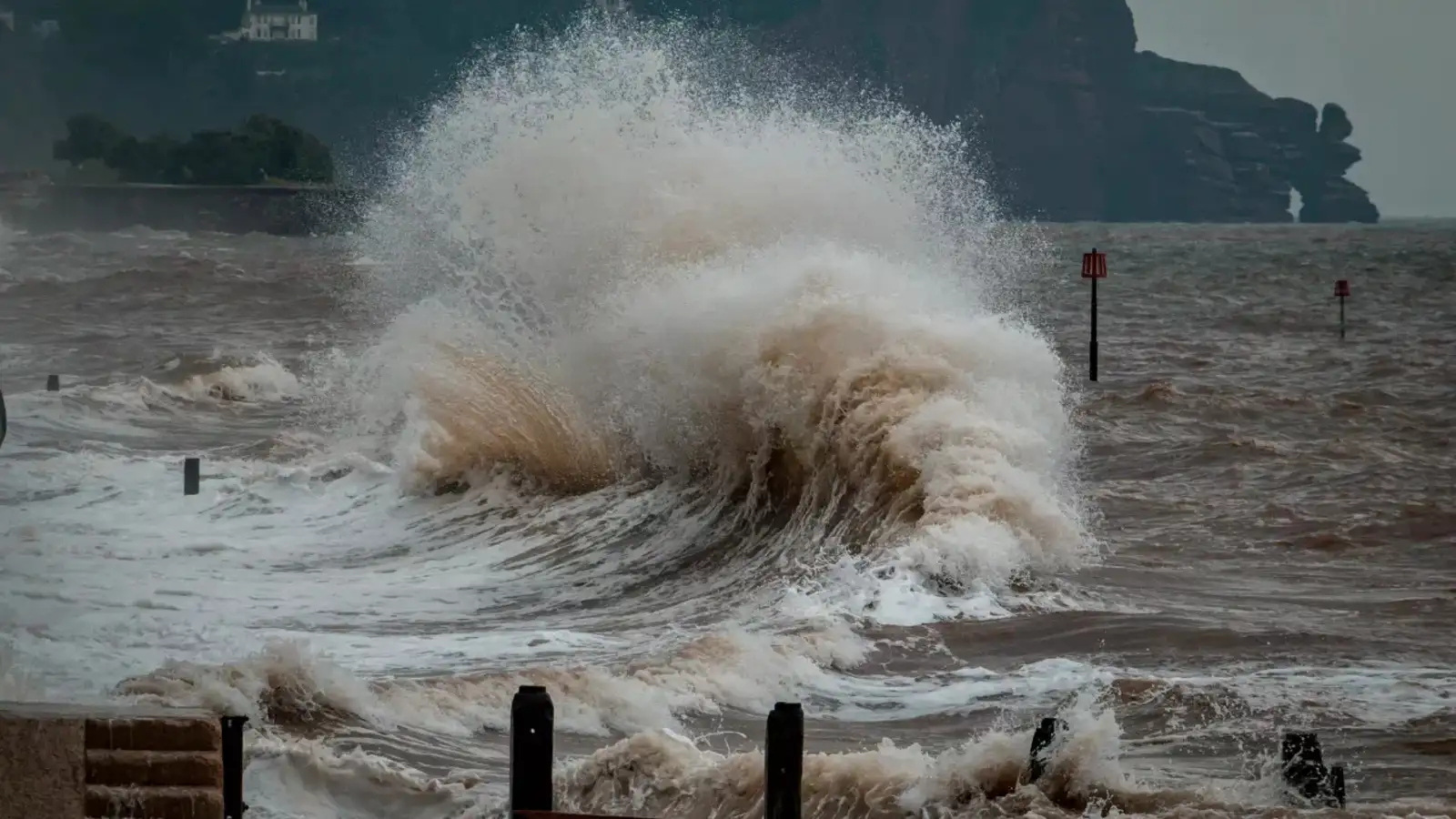
A few states in India have been warned that a rough sea alert has been issued by the maritime and weather departments, as strong wind and increased wave action are anticipated for the next few days. This has made the state administrations more alert, as the warning has encouraged them to take more precautions, especially in the coastal districts where fishing activities are more common.
This warning has been issued due to the expected change in weather patterns over the Arabian Sea and the Bay of Bengal, which may lead to the formation of high waves, strong surface winds, and rough seas, an official said. All coastal states, including Gujarat, Maharashtra, Goa, Karnataka, Kerala, Tamil Nadu, Andhra Pradesh, Odisha, and West Bengal, have been warned to be cautious, especially in the low-lying villages and fishing harbors.
Fishermen have been advised not to go out into the ocean during the warning period. Local fishing communities have been told to suitably anchor their fishing vessels and avoid deep-sea fishing until the conditions are stabilized. Harbor authorities have been directed to carefully watch the movements of vessels and make sure they adhere to all the safety measures.
The state disaster management authorities have opened control rooms to monitor the situation day and night. The emergency response teams, which comprise coastal police, marine police, and disaster response forces, have been put on standby alert to meet any eventuality. Some coastal areas have also heightened their coastal surveillance to enable rapid response to emergencies such as overturned vessels and coastal flooding.
The rough sea warning has also generated apprehensions regarding erosion in the coastal areas. High tides coupled with rough waves could result in water entering low-lying areas causing temporary floods in the coastal roads, beaches, as well as settlements. Local administrations in major cities along the coast have been directed to remove blockages from water drains, check embankents, and adopt measures to prevent waterlogging.
The authorities have warned the public not to swim in the sea, as well as not to take part in water activities, during this time. Beach safety squads and lifeguards have been told not to allow people near the coastline areas that have high intensity waves. Warning flags and warning announcements are being used as warnings for the public, as well as for residents, against any risks.
Weather analysts have reported that the turbulent nature of the seas during the winter season is not unusual; however, when this situation presents itself along with strong winds and rapid changes to pressure systems, the likely danger to ships and boats cannot be ignored. They directed residents not to spread rumors that may trigger panic situations.
The ports and shipping authorities are closely observing the situation too. Although the major ports are functional, there might be restrictions in the flow of ships subject to sea conditions. The operation of the smaller cargo ships and fishing boats would be more affected in the rough sea conditions, which would remain at the discretion of the ports to temporarily halt their operations.
In the agricultural coastal areas, farmers have been advised to be cautious and safeguard salt pans, fish ponds, and coastal farmlands from possible saltwater entry. Fish and shrimp farm owners have been requested to strengthen embankments and check the quality of water, especially during the alert phase.
“There is no need to panic, but it is necessary to be alert and prepared.” Coastal residents are advised not to venture out if it is not necessary when passing through areas near the coastline and make sure that contact details of emergency personnel are readily available.
The whole situation is being closely analyzed by government and state authorities, and further notifications will be made based on weather changes. The government has assured coastal residents that necessary measures have been put in place to ensure public safety. With the constantly shifting weather patterns, the need to heed warnings and take precedence in ensuring the safety of one’s activities over and above the normal routine is a critical aspect worth considering. With proper warnings and concerted efforts, the effects of the adverse conditions associated with the seas can be manageable.


