


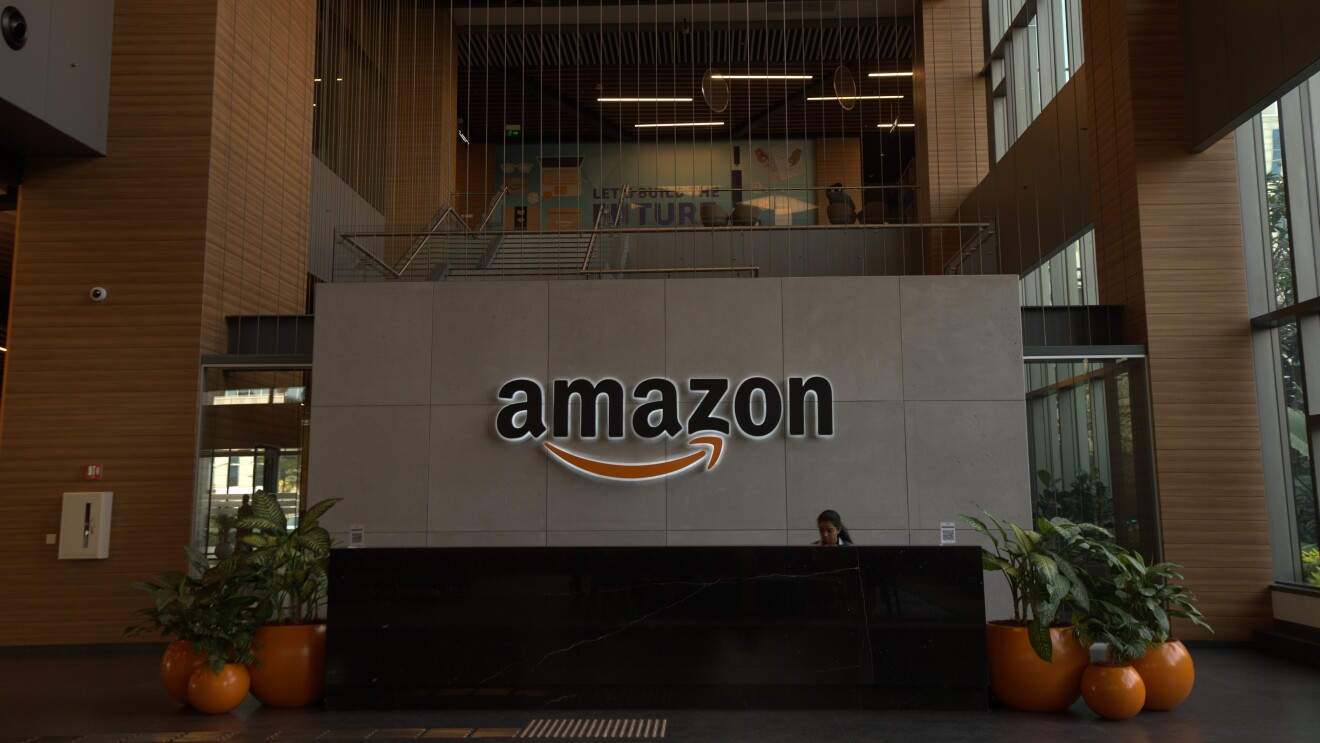
Amazon announced one of its most key long-term commitments to India: an unprecedented $35 billion investment plan by 2030 that will be used to accelerate the country’s digital transformation, strengthen e-commerce infrastructure, and proliferate AI across sectors. This move underlines not just India as a high-growth strategic market for the global tech giant but also an important long-term hub for innovation, cloud computing, skill development, and exports.
The investment, according to the company, would be channelled across Amazon Web Services, e-commerce operations, logistics, digitization for sellers, and Artificial Intelligence-powered initiatives that support India’s growing digital economy. Over the last decade, Amazon has invested nearly $40 billion in the country, and this current infusion will take the total commitment to over $75 billion, making India among the largest outside destinations for Amazon.
A large chunk of the future investment will be for expanding data centre infrastructure for AWS. With cloud adoption, generative AI usage, and digital services across industries growing rapidly in India, Amazon looks to build one of the most advanced AI and cloud ecosystems in the world. According to analysts, this excessive dependence of Indian enterprises on technologies like machine learning, data analytics, and automation is a huge opportunity for AWS, which is already a leading player in cloud services globally.
Besides building tech infrastructure, Amazon intends to trigger large-scale digitization among MSMEs in India. For long, the company has been engaged in bringing on board small sellers, artisans, farmers, and export-oriented businesses through various specific programmes. The fresh investment is expected to help the company get millions of additional sellers online, give AI-powered tools for cataloguing and logistics, and promote Indian products to customers across the world.
Amazon has also reiterated its long-term goal to enable $20 billion in cumulative exports from India by 2025 through the Global Selling program. The proposed investment is likely to hasten that target even further, especially with increasing global demand for Made-in-India products. Sectors such as lifestyle goods, home décor, wellness products, spices, and handicrafts have benefited from substantial export growth due to the support of logistics and fulfillment by Amazon.
Besides business growth, Amazon has always reiterated that the company’s main priority is job creation. The company will look to create more than 2 million direct and indirect jobs in the country as part of its investments in logistics, retail, data centres, and automation technologies. From delivery associates and warehouse employees to cloud specialists, AI engineers, and data scientists, these jobs will encompass a broad range. This aligns with the broader aspiration of the country towards high-skill employment opportunities in technology-driven sectors.
Amazon’s endeavors thus also reflect its commitment towards the country’s national digital priorities, such as Digital India, Make in India, and the country’s push for innovation in AI. The investment is actually into programs for skilling students, developers, and professionals on cloud computing and artificial intelligence. AWS Academy, along with other education-related engagements, would help Amazon equip lakhs of young Indians with skills that would be inescapable in workplaces of the future.
According to analysts, the timing of Amazon’s announcement has been very strategic. India today is one of the fastest-growing digital economies in the world, helped by growing smartphone penetration, strong consumer demand, and an entrepreneurial ecosystem that embraces technology rapidly. The next few years should see exponential growth in cloud adoption, AI-driven solutions, and e-commerce logistics-all areas in which Amazon has already accrued deep expertise. Amazon also competes with stiff domestic players and global rivals that are heavily investing in the Indian market. The e-commerce rules are getting increasingly evolved, and tech companies move to new compliance frameworks. Even today, it remains an unnerving regulatory environment for Amazon. Still, analysts say the company’s continued commitment speaks to its confidence in India’s long-term potential and resilience. Having committed an investment pipeline of $35 billion, Amazon is clearly positioning itself at the center of India’s digital future. This infusion will make infrastructure stronger, make small businesses strong, create job opportunities, and fast-track India as a leader in technology around the world, creating the right platform for strong economic gains over the ensuing decade.


