

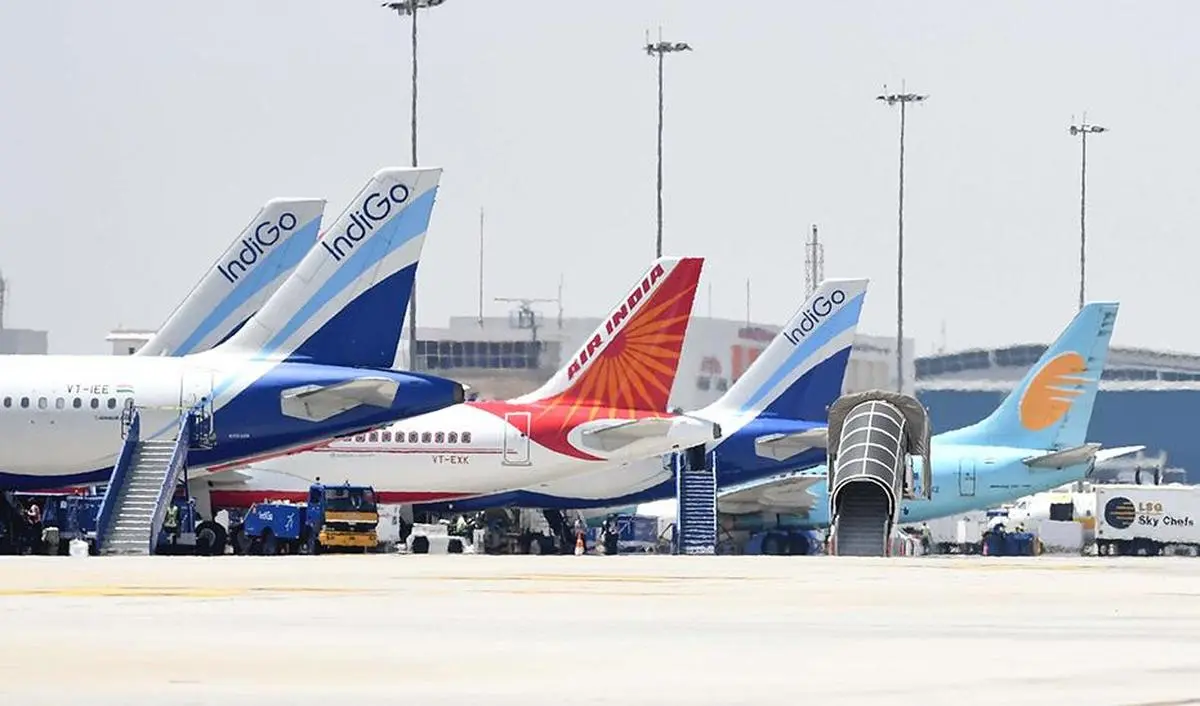
In an urgent directive, MoCA has asked all domestic airlines to strictly follow the government-prescribed upper limits of ticket prices. The decision has been taken in response to public anger over unusually high airfares after widespread cancellations, operational disruptions, and severe capacity shortages across major routes.
The decision comes after days of turmoil in the aviation sector, mainly with IndiGo cancelling or rescheduling over a thousand flights due to technical and staffing challenges. The ripple effect in the aviation sector sent the prices soaring and stranded thousands of passengers in different airports across the country. With reports of last-minute economy fares crossing ₹ 20,000 – ₹ 25,000 on popular routes, widespread criticism started pouring in, prompting immediate intervention by the government.
With its order, the Ministry instructed all airlines to operate within the defined dynamic pricing bands allocated for extraordinary situations. The price bands, established under the Civil Aviation Requirements (CAR), work as protective ceilings that will prevent profiteering from crises. Airlines have also been instructed to maintain full transparency regarding fare calculations and avoid algorithmic spikes that may appear opportunistic or predatory. The directive is effective immediately and will remain in force until normal operations are restored.
A top MoCA official said the move was needed to “restore fairness, stability, and predictability” in the aviation marketplace. The Ministry said the fare-cap order did not have the effect of undermining the revenue models of airlines but was protection for passengers during a period of disruption unparalleled in history. The government maintained that market deregulation did not allow for exploitative pricing in emergency situations.
IndiGo, India’s largest airline with almost 60% market share of the domestic market, has been at the epicenter of the crisis. A combination of crew shortages, aircraft availability issues, and cascading delays put severe operational strain. Chaos overflowed into terminals at Delhi, Mumbai, Bengaluru, Kolkata, and Pune, where passengers reported long queues, abrupt cancellations, and rebooking challenges. With limited seats available across airlines, fares surged sharply, rendering routine travel unaffordable for several flyers.
The Ministry has asked all carriers to provide daily compliance reports on updates about cancellations, on-time performance, seat availability, and refund settlement to ease the crisis. IndiGo was asked to clear all pending refunds without further delay while deploying DGCA officials to monitor the performance of airlines closely. Non-compliance, the Ministry warned, could invite penalties or regulatory action.
Experts view the temporary fare-cap directive as an indication that stronger consumer protection mechanisms are required in India’s fast-growing aviation market. Airlines insist that price algorithms simply reflect supply-and-demand dynamics, while consumer groups say ungoverned dynamic pricing is sure to become exploitative in times of crisis. The present situation has revived the debate on whether India needs to institute permanent safeguards, as these were during the COVID-19 pandemic.
Airlines, for their part, have been cautious yet cooperative in their response. A spokesperson of a major carrier said the industry “recognizes the sensitivity of the situation” and that it would comply with government instructions fully. However, sources close to the industry warn that long-term fare caps will eventually interfere with revenue recovery at a time when operational costs are still high amid fuel prices, aircraft leasing rates, and maintenance expenses.
In the meantime, Indian Railways stepped in to help stranded travelers by deploying special trains and additional coaches on high-demand routes; this, in turn, provided some temporary relief from the skyrocketing air fares. The Ministry further assured that the air capacity would stabilize within days with the airlines realigning the schedules and bringing additional aircraft into service.
For the time being, the fare-cap order is likely to soothe the market. Initial checks indicate ticket prices starting to return to normal on many trunk routes. But the authorities have clarified that the caps are there to stay until flight operations normalize and passenger traffic becomes predictable. Overall, the intervention of the Ministry is one of the most powerful regulatory steps in recent times, reflecting the will of the government to avoid consumer exploitation during periods of crisis. Whether this moment catalyzes wider structural reforms in pricing, transparency, and airline governance remains to be seen. But for millions of passengers affected by this aviation meltdown, the fare-cap directive has brought with it immediate protection, clarity, and much-needed relief.


