


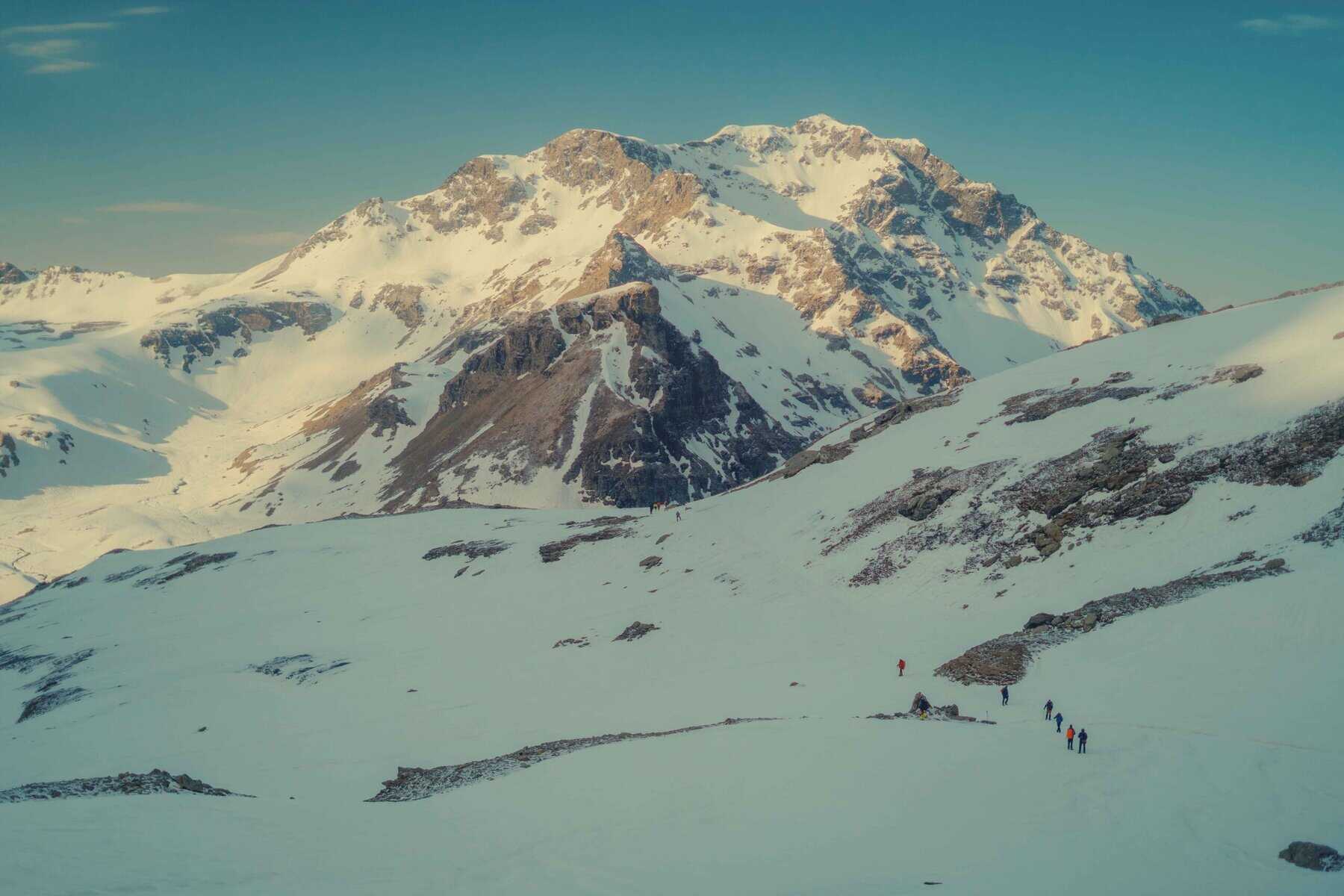
Weather agencies have issued an early-season advisory that weak La Niña conditions may prevail over and affect the India climate pattern, more so in the north. This year’s winter is expected to be much colder than average in states such as Delhi, Punjab, Haryana, Uttar Pradesh, Rajasthan, and parts of the western Himalayan belt, said meteorologists.
According to the seasonal forecast models of India, a weak La Niña phase of the Pacific Ocean seems to be ongoing, characterized by lower-than-average sea surface temperatures in the central and eastern Pacific. Usually, La Niña exerts stronger influences when the phenomenon is moderate or intense, but even a weak phase has the potential to shape winter temperatures throughout South Asia significantly.
What La Niña Means for India
This, in general, leads to a colder winter over the Indian sub-continent, especially over the northern plains, because of a change in the wind pattern and an increased cold air intrusion from the western Himalayas. In fact, previous La Niña winters have seen prolonged cold waves, dense fog, and below-normal night temperatures.
According to meteorologists, this year’s weak La Niña is strengthening the northwesterly cold winds, which have started to flow into the northern plains. These winds carry the dense, dry, icy air from higher latitudes, leading to low temperatures earlier than usual.
Early Signs Already Visible
Minimum December temperatures have been reported below the seasonal average in several cities. There have been sharp overnight declines in many places. Delhi recently witnessed one of its coldest early December mornings after a few years. In Punjab and Haryana towns, minimum temperatures hovered around or fell below 5°C, considered below the seasonal average at this stage of winter.
Officials warn that this is just the beginning, and late December and January are expected to see cold waves with increased intensity. The mountain states of Himachal Pradesh, Uttarakhand, and Jammu & Kashmir are going to receive heavier snowfall compared to the previous year.
Possible Weather Impacts
- More Cold Waves
More frequent and persistent cold-wave spells are possible over northern India. The poor living in low-income or poorly insulated housing may be at particular risk.
- Dense Fog Episodes
Severe fog formations also usually share a relation with weak La Niña conditions. Major highways and airports in Delhi NCR, Amritsar, Lucknow, Jaipur, and Chandigarh are likely to be disrupted because of fog.
- Air Quality Complications
Winter inversion traps pollutants close to the surface, making the air quality worse. Thus, Delhi NCR and its surroundings may have heavier episodes of smog when combined with colder temperatures and fog.
- Rabi Crop Effects
Agricultural experts add that a colder winter is beneficial for certain rabi crops, including wheat, mustard, and barley. However, extreme cold waves could damage tender seedlings, particularly in irrigation-scarce zones.
Government and State Advisories
With this, governments across northern states have started issuing advisory alerts, asking citizens to be better prepared for a harsher winter. Health departments have issued warnings on respiratory illnesses, hypothermia, and seasonal flu risks, especially among infants, elderly people, and those with chronic conditions.
School administrations in various states are contemplating changing school timings to reduce the exposure of children to the morning chills. The disaster management departments have advised people living in vulnerable houses to ensure adequate insulation, maintain heating appliances safely and avoid dangerous heating practices like smouldering coal indoors.
Why This Matters This Year
The arrival of this winter is taking place against the background of fluctuating global climate patterns. If 2023 and 2024 were dominated by El Niño–driven heatwaves, then the transition toward La Niña in 2025–26 represents a climatic reversal. Some meteorologists believe that the amplified warming trend of the planet may interact with La Niña in very unpredictable ways, perhaps making winters more erratic.
More importantly, northern India is already grappling with deteriorating air pollution, high urban density, and fragile winter infrastructure. A colder season could strain the energy grids because of increased demand for heating and impact public health outcomes. Conclusion With predictions corroborating weak La Niña conditions, northern India is in for a considerably colder-than-usual winter. Whether this sets the stage for welcome agricultural consequences or dire humanitarian conditions depends on preparation and coordination at the state level. The message, therefore, remains: bundle up, days are going to get colder, and keep an ear open for advisories.


