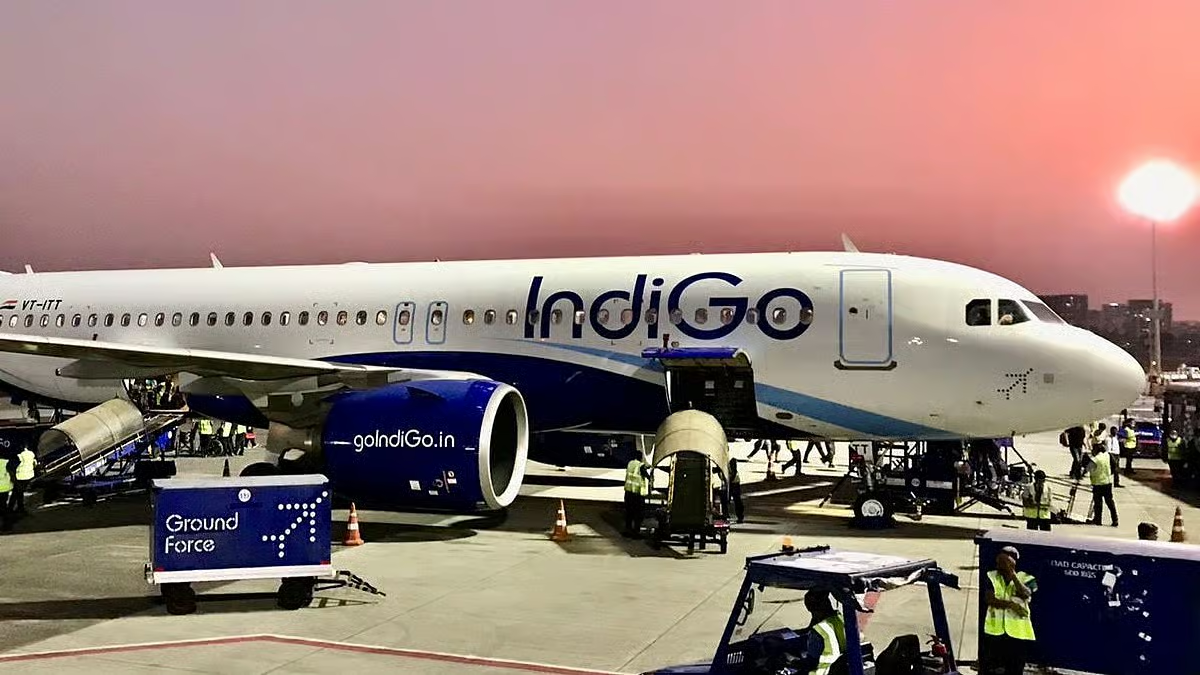


IndiGo, India’s largest airline, saw one of its biggest operational crises of the year after it was compelled to cancel over 130 flights within a span of 24 hours, causing nationwide disruption and leaving thousands of passengers stranded. Major city airports, like Delhi, Mumbai, Bengaluru, Hyderabad, Chennai, and Kolkata, saw long queues, chaotic scenes at the boarding gates, and widespread confusion as travellers waited for last-minute updates.
The disruption came amid a seasonal high in holiday traffic, further affecting passengers. People were receiving cancellation notifications just minutes from scheduled takeoff, and some said they had waited hours without any communication from the staff. Social media was filled with posts by frustrated passengers demanding to know what happened, seeking refunds, and accountability from the airlines.
Crew shortage is at the heart of the crisis.
The root of the mass cancellations, according to aviation officials, rests in the sudden and severe shortage of flight crew, especially pilots. The shortage was further exacerbated by the implementation of stricter FDTL rules that began in November, which require longer rest hours for pilots, limit night operations, and restrict consecutive long duty periods to reduce fatigue and improve aviation safety.
While the new norms are considered imperative for pilot welfare, they have put immense pressure on airlines, especially IndiGo, which operates the densest flight schedule in the country. The airline reportedly struggled to reorganize its rosters and adjust capacity to meet the new regulatory conditions. Consequently, hundreds of pilots were unavailable for scheduled duties, which triggered a chain reaction of cancellations and delays.
Aside from the crew constraints, the scenario was worsened by continued seasonal congestion at major airports. Winter fog over northern India, a high volume of passengers, and isolated technical glitches at some airport terminals further slowed down operations, pushing recovery efforts by the airline off-track.
DGCA Steps In With a Formal Investigation
As the crisis worsened, the Directorate General of Civil Aviation or DGCA intervened and started a formal investigation into the airline’s practices regarding scheduling and operational preparedness. The regulator has sought a detailed report from IndiGo, asking the carrier to explain the reasons behind the massive disruption and to present clear mitigation measures to prevent recurrence.
The preliminary data, as per DGCA officials, suggests an “inadequate crew-planning mechanism” and “operational mismatch” between IndiGo’s flight schedule and available workforce. The regulator has expressed concern over passenger inconvenience and reminded the airline of its obligation to provide timely updates, food, and accommodation assistance in case of extended delays.
In the coming days, the DGCA is likely to examine IndiGo’s staffing levels, rostering strategy, and overall crisis-management practices. If lapses are confirmed, penalties could be imposed on the airline, or it may face tighter supervision, with mandated adjustments in schedules.
IndiGo’s Response and Attempts at Restoration
IndiGo, in a statement, acknowledged cancellations and said it is working on restoring operations at the earliest. The airline has begun recalibrating its flight network by temporarily reducing certain routes and redistributing the crew to high-priority sectors. It has also initiated a round-the-clock review process for stabilization of on-time performance.
Internally, though, the airline is thought to be considering rapid hiring, accelerated pilot training, and emergency roster restructuring to prevent a repeat of the cancellations. But analysts warn that such steps can’t cure shortages overnight-particularly because of the long training cycles for commercial pilots.
Impact on Travellers and Aviation Sector
The situation has been incredibly frustrating for passengers. Many reported missing business meetings, international connections, weddings, and urgent personal commitments after abrupt cancellations. Several family groups, elderly passengers, and children were stranded for hours in overcrowded terminals with limited assistance.
The crisis has also raised broader concerns about the resilience of India’s aviation sector. As demand for air travel continues to boom and regulatory norms become increasingly stringent, airlines face growing pressure to ensure reliable, safe operations amid mounting cost pressures and staffing challenges. IndiGo’s situation made it crystal clear just how vulnerable tightly packed schedules can be in the face of unexpected disruptions.
What Happens Next The DGCA findings over the coming weeks will be critical in informing next steps. If IndiGo needs to revise its schedule or to further develop its workforce significantly, the airline is likely to see further short-term impacts while it readdresses operations toward regulatory expectations. Passengers can still expect some degree of continued volatility until the situation stabilizes. For now, the carrier has asked for patience from travellers and has promised a refund, alternative flight options, and more clarity on communication channels. Yet, there’s little doubt that this incident has dented public confidence and ensured an industrywide debate about crew fatigue, regulatory reform, and operational transparency.


