

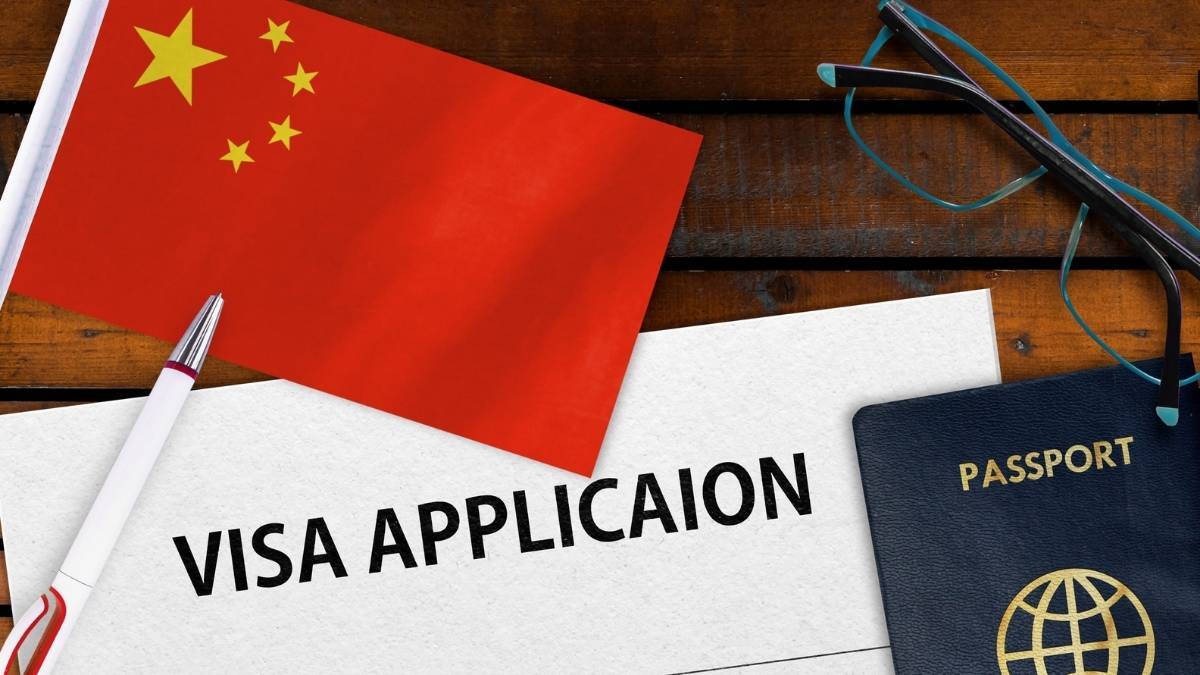
In a major diplomatic development, India has resumed issuing tourist visas to Chinese nationals through its embassies and consulates worldwide. The move is the first major easing in people-to-people travel restrictions since the suspension of visas following the 2020 border clash in eastern Ladakh that plunged bilateral ties into a prolonged chill. The decision does not erase the ongoing tensions but underlines New Delhi’s intent to re-open civilian channels and foster limited engagement after years of strained relations.
In a statement, Indian missions in Beijing, Shanghai and Guangzhou, as well as consulates in Asian, Middle East, European and North American cities, said tourist visa services were being reinstated. Applications are now being received under the regular categories, though processing timelines may vary based on demand and internal security protocols.
For the last five years, India has kept tight controls over tourist inflow from China, permitting only essential or emergency categories of travel, such as business, medical and diplomatic. Today’s decision is one of the broadest relaxations since those limitations were imposed. According to officials, the move follows a period of “careful evaluation” and is in tune with India’s efforts to gradually normalise certain civilian exchanges while keeping national security considerations at the forefront.
Analysts see the move as an attempt at stabilizing relations in a limited yet pragmatic way. Military disengagement along certain friction points has progressed slowly, but both sides seem to be recalibrating their diplomatic stance amidst increased global competition and economic uncertainty. India’s decision has come at a time when travel-based engagement could help boost service sectors, academic exchanges, cultural interactions, and cross-border business activity-all of which have fallen sharply in the last few years.
The announcement provides a welcome opportunity for India’s tourism and hospitality sectors. Before the 2020 freeze, Chinese tourists had emerged among the fastest-growing groups of foreign visitors to India, given their immense contribution to luxury retail, urban tourism, and pilgrimage circuits. Industry associations have already urged the state tourism boards and private operators to get ready with targeted promotional campaigns, especially on Buddhist heritage sites, which have always attracted a lot of Chinese travelers.
The revival of visas can also be expected to encourage greater academic collaboration, especially in areas such as language studies, trade research, and cultural diplomacy. Many Indian universities that witnessed declining enrolments from China may now expect a gradual return of short-term students, exchange scholars, and research delegations.
But experts caution that the move should not be seen as a full reset in India-China relations. Strategic concerns remain high, with unresolved border tensions, military deployments, and competing regional alliances. New Delhi continues to stay vigilant regarding visa scrutiny, digital security, and investment flows from China—a stance unlikely to soften anytime soon.
From Beijing’s perspective, India’s decision is in line with the latter’s efforts to project stability in bilateral relations and promote outbound tourism as a driver of economic recovery. Chinese state media have highlighted India’s announcement positively, indicating that both countries can benefit from increased civilian engagement at a time when political constraints remain binding.
Economists also note that tourism resumption would be connected with larger trade and economic dynamics. China is one of India’s largest trading partners, and the partial opening of borders may help business delegations discuss supply chains and cross-border investments. For Indian companies in pharmaceuticals, electronics, auto components, and consumer goods, easier travel procedures may translate into smoother operations and vendor relations.
Diplomatically, this development comes ahead of numerous regional multilateral summits to which both countries are expected to send their representatives. An easier travel regime reduces friction in preparatory visits, delegations, and official exchanges on the sidelines of such summits. India’s decision reflects a wider recalibration in its foreign policy narrative of balancing deterrence and diplomacy. While the border issue continues to define the strategic outlook, New Delhi seems to recognize that restoring selected civilian pathways can keep the channels of communication open and minimize the deep freeze that characterized the last few years. As flights are gradually restored to pre-2020 frequencies and tourist traffic normalizes, the two nations may find fresh avenues to rebuild their trust, bit by bit. For the time being, the revival of tourist visas remains a symbolic but telling gesture: a small step toward stability in a relationship that’s still complex, competitive, and consequential to Asia’s future.


