


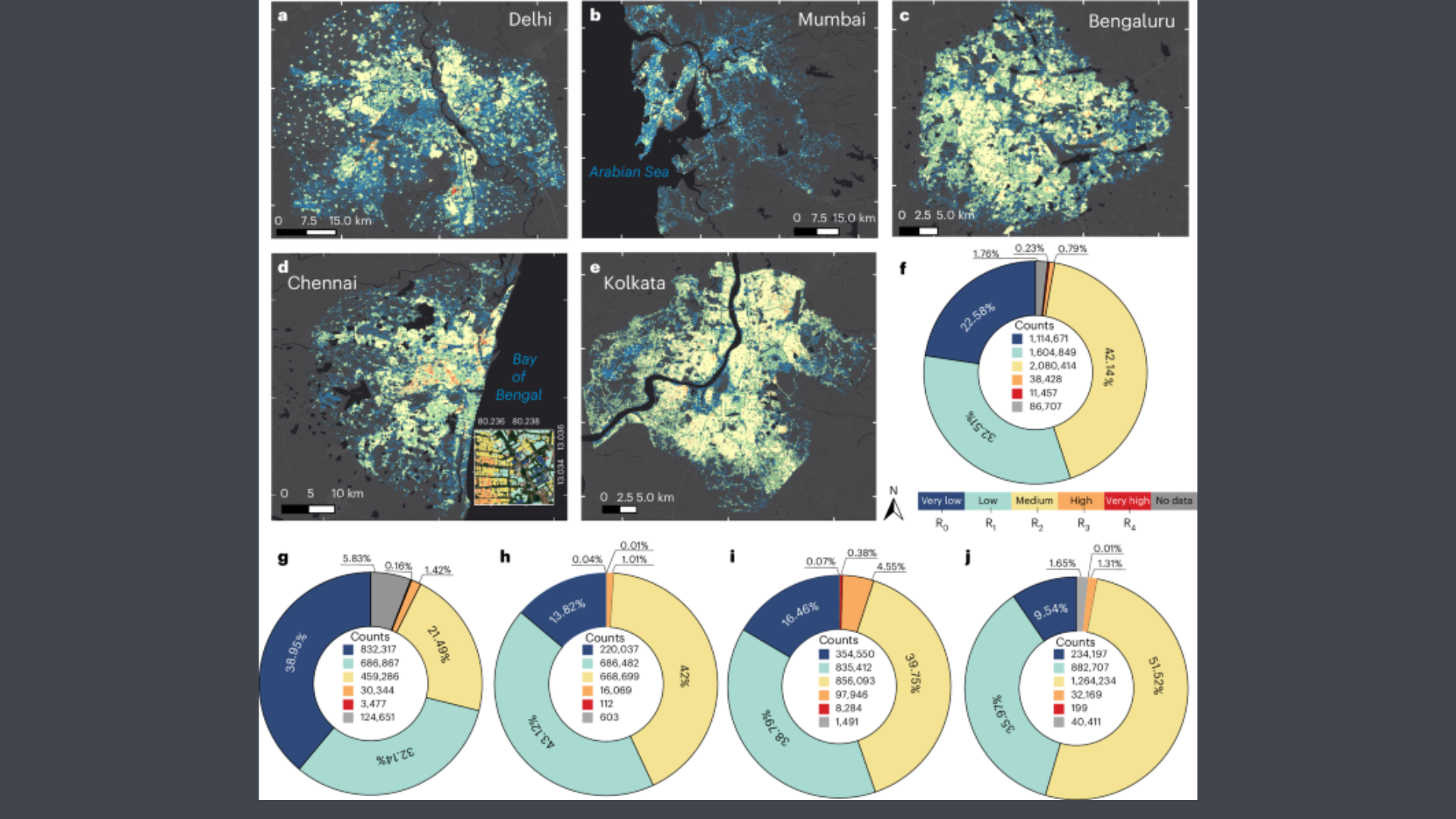
A recent scientific study has sounded the alarm for India’s rapidly growing megacities on how land subsidence, or the gradual sinking of the ground, is emerging as an urgent threat. Cities like Mumbai, Delhi, Kolkata, Chennai, and Bengaluru are facing severe depressions in ground levels due to high extraction of groundwater, soil compaction, and unsustainable growth of cities. Experts say that unless this is checked, it could have disastrous implications for infrastructure, urban planning, and disaster management over the next few decades.
Subsidence: The Science Behind
Land subsidence is generally the gradual lowering of the ground level, usually resulting from factors, both natural and human in origin. In India’s urban centers, this is due to over-extraction of groundwater to meet the needs of millions of residents and industries. Over time, this withdrawal of underground water destabilizes the soil layers, causing them to compress and sink, especially in areas with a high content of clay-rich sediments. This is compounded by rapid construction, heavy urban loads, and lack of proper monitoring of soil stability.
Recent satellite-based studies have shown disturbing trends. The suburbs in the south of Mumbai and parts of Navi Mumbai are facing subsidence rates of up to 12 millimeters per year, while areas in Delhi are subsiding at almost 8 millimeters annually, especially along the floodplains of the Yamuna. Notably, there are reports of a ground-level decline in both Bengaluru and Chennai, mainly in low-lying areas and newly developed areas. The study maintains that the rise in sea levels, coupled with subsidence, will raise the flooding risks and damage critical infrastructure such as roads, railways, and drainage systems.
Implications for Urban Infrastructure
The effects of land subsidence in the megacities of India are more than just a few cracks in the buildings. Sinking ground can warp roads and railways, weaken foundations, disrupt sewage and water pipelines, and compromise flood defenses. In the coastal cities of Mumbai and Chennai, subsidence accentuates the risk of storm surges and tidal flooding that might affect millions of residents living in low-lying neighborhoods.
The economic implications are massive, with India’s rapidly growing investments in urban infrastructure being put under the specter of loss from subsidence. The costs of retrofitting and maintenance in subsided areas will be huge and take away a big chunk from new development projects. Besides, subsidence begets unequal city planning, as richer enclaves certainly get favored for maintenance, leaving poorer ones vulnerable.
Environmental and Social Consequences
Beyond infrastructure, subsidence interacts with environmental and social factors. Lowering land levels can lead to increased waterlogging during the monsoon seasons, damage to property, and disruption of transportation networks. Vulnerable populations in informal settlements are at an increasing hazard due to poorly constructed homes that cannot resist sudden ground shifts. Health impacts can also increase due to stagnant water and disrupted sanitation.
Environmentalists emphasize that arresting subsidence requires sustainable management of groundwater resources. It is no longer feasible for cities to continue pumping in uncontrolled ways to meet urban demand on supplies. Instead, other sources, rainwater harvesting, and improved efficiency in water use are absolutely necessary. Besides that, planners will also need to incorporate subsidence information into their zoning regulations and building codes with a view to mitigating future risks.
Policy Response and Future Outlook
Government officials and city authorities have now recognized the seriousness of the phenomenon. Satellite-based monitoring with facilities like InSAR is being installed to monitor land movement in real time. With such technologies, authorities are able to identify high-risk zones, plan mitigation strategies, and enforce regulations on groundwater extraction and construction practices.
Other experts recommend incorporating artificial intelligence and predictive modeling to forecast subsidence patterns, reinforcing those areas in advance. Public awareness campaigns will help raise awareness among residents, developers, and policymakers of the importance of adaptation with sustainability. Policy actions, such as strict groundwater licensing, rainwater harvesting, and economic incentives for green infrastructure, can also ease demand on subsiding land. Conclusion It is a point of concern for India’s megacities, which stand at an important juncture. While rapid urbanization and economic growth embark on changing the outlook of urban India, haphazard growth and improper utilization of resources have resulted in sinking soil beneath these cities. Land subsidence is not some future threat but a present one which needs serious consideration and coordination by the government, industry, scientists, and the citizenry. Sustainable urban planning, monitoring technologies, and water management will go a long way in helping India protect its megacities against the creeping danger beneath their feet, thus allowing coming generations to live in resilient and livable cities.


