


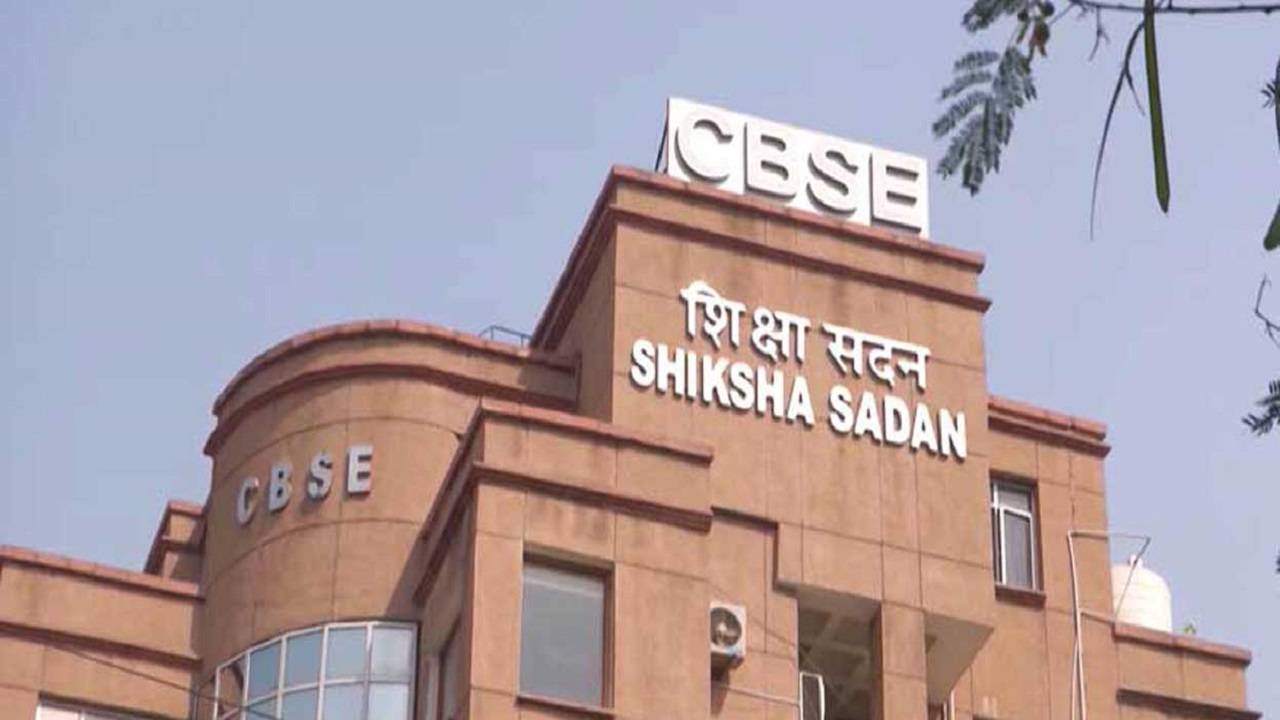
The Central Board of Secondary Education (CBSE) on Friday released the final date sheet for the 2026 board examinations and confirmed a structural change for Class X: from 2026 onwards students will have two opportunities to take the board exam each academic year, with the first attempt mandatory and a second optional window for improvement. The examinations will begin on 17 February 2026, with the Class X theory window running through early March and Class XII exams concluding in April.
CBSE said the decision is in line with the NEP 2020 emphasis on flexibility, reduced high-stakes testing, and competency-based assessment. Under the new arrangement, the board said, it will ease pressure on students by providing an additional chance to improve scores without having to wait for the next academic year. This, the authorities believe, will reduce anxiety related to exams and also help promote continuous learning among students. The broad contours of the two-exam scheme were set out in CBSE’s policy documents this year.
Key practicalities and schedule
CBSE’s published schedule places the first phase of board exams in mid-February, with different reports listing the starting date as 16–17 February but confirming that the exams fall in the third week of February. Practical exams and internal assessments will be organised in advance — with the board specifying different timelines for extremely cold regions where internal assessments may be held earlier. The board has also signalled that the full current syllabus will be examined and that no subject changes will be permitted between the first and the second examination windows.
What changes in exam pattern and assessment?
Apart from the schedule, CBSE has indicated more comprehensive changes to the evaluation scheme: question papers are to be more competency- and application-based, as recommended by NEP, and the board is streamlining some subject groups to smoothen logistics and evaluation. Official documentation released in February and June 2025 provides a draft scheme for two examinations and a notification on the modalities for Class X — including grouping of subjects and the scale of student registration the board expects to handle.
Implications for students, schools and coaches
The new system will require schools to adapt timetables, assessment calendars and remedial programmes. For students, the optional second test is a safety valve: those who underperform in the first sitting can retake specific papers without repeating the class or waiting a year. Subject changes will not be allowed between sittings, making course-planning and subject choice at the beginning of the year more consequential. Demand for coaching centres and tutoring services will, meanwhile, fall in two peaks during an academic year instead of a single pre-board spike.
Testbook Challenges and open questions Operationalising two full board windows for millions of candidates is complicated. The CBSE’s own estimates place the number of Class X and XII candidates in tens of lakhs, and conducting, evaluating and declaring results twice (or offering a second window) will test logistics, examiner capacity and quality control systems. There are also equity issues: students in resource-poor regions may struggle to access the second window or to get timely academic support to take advantage of a retake.


