


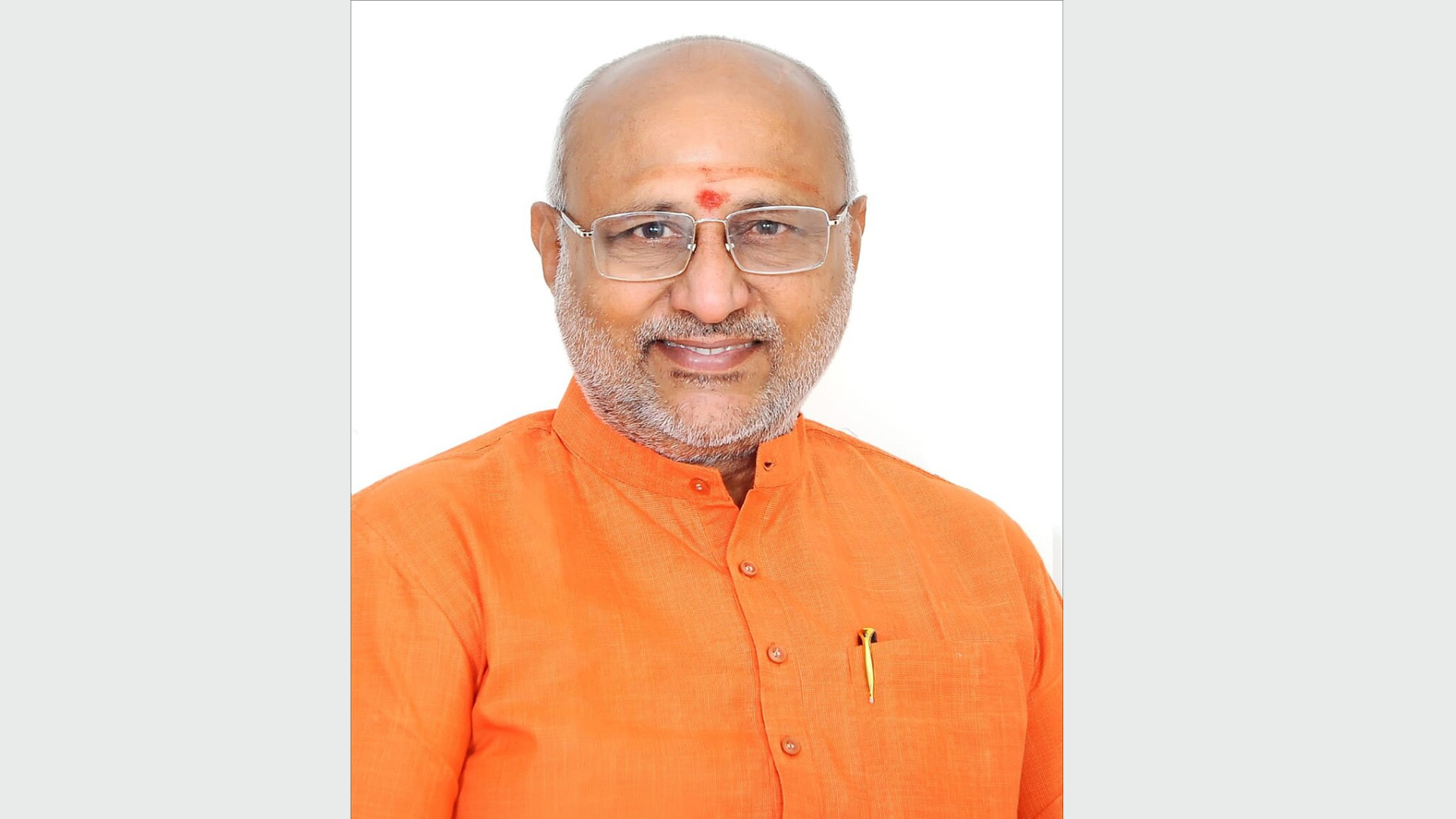
A historic turn in Indian politics, C.P. Radhakrishnan has won election as the 15th Vice President of India with an emphatic win over B. Sudershan Reddy. Radhakrishnan managed 452 votes to the 300 won by Reddy, an indication of wide acceptance by members of both the Lok Sabha and the Rajya Sabha. His triumph not only strengthens the legislative foothold of the ruling bloc but also heralds the significance of seasoned leadership in India’s higher rungs of governance.
Radhakrishnan takes office after the resignation of his predecessor, Vice President Jagdeep Dhankhar, who resigned on grounds of health. He was sworn in as Vice President on 12 September 2025 at Rashtrapati Bhavan by President Droupadi Murmu and has taken charge officially as Chairman of the Rajya Sabha, India’s upper house of Parliament.
A Distinguished Political Journey
Born on 4 May 1957 in Tiruppur, Tamil Nadu, C.P. Radhakrishnan has had a long and diverse career in Indian politics. His early career was spent at the grassroots level, where he played an active part in social and community development activities. He made his way up through the leadership ranks of the Bharatiya Janata Party (BJP), taking up important positions within the party as well as the government. He was a Member of Parliament from Coimbatore, a Minister with portfolios, and subsequently Governor of Jharkhand and Maharashtra, reflecting his administrative adaptability.
Radhakrishnan’s life is marked by a pragmatic style of governance. He is well-known to be a consensus-builder who understands how to handle complicated political situations with diplomacy and impartiality. His exposure to state-level governance and central policymaking gives him the skills that he needs to deal with the subtle role of the Vice President’s office.
Importance of the Election
Radhakrishnan’s election is symbolically as well as strategically important. As a representative of Tamil Nadu, his appointment highlights southern India’s presence in senior constitutional roles, making India’s political leadership more inclusive. His election also indicates the governing coalition’s preference for experience and stability, guaranteeing that the office of the Vice President is held by a mature leader well acquainted with parliamentary norms.
Being the Chairman of the Rajya Sabha, Radhakrishnan has a pivotal role to play in upholding decorum in the upper house, advancing debate, and ensuring the smooth functioning of legislative processes. It is anticipated that his impartiality and long experience will influence him to strike the perfect balance between the divergent voices represented in the Rajya Sabha, encourage discussion, and maintain democratic ethos.
Challenges and Expectations
Though the Vice President’s position is mostly ceremonial, it is a heavily responsible one, particularly with regard to parliamentary operations. Radhakrishnan will have to deal with a politically divided Rajya Sabha where debates tend to turn nasty quite often. His stewardship will be important in ensuring that debates remain constructive and legislative business moves in a smooth manner.
In addition, Radhakrishnan is likely to enhance the Vice President’s role of representing India globally at state functions, foreign missions, and parliamentary diplomacy. With his vast administrative experience, he is uniquely qualified to walk the tightrope between ceremonial and substantive roles in the governance of India.
Public and Political Reactions
The news of Radhakrishnan’s election was welcomed with universal acclaim from all parties. Prime Minister Narendra Modi praised him as “a leader who possesses experience, humility, and vision,” while opposition politicians welcomed the prospects of his being able to lead the Rajya Sabha in a non-partisan manner. Social media and commentators on the air emphasized his clean record of governance, people contact, and commitment to the public service.
Looking Ahead
The election of C.P. Radhakrishnan is a reassertion of India’s democratic ethos and the value of experience in leadership posts. His Vice Presidency will be meant to underscore stability, impartiality, and inclusive rule, while cementing the procedural integrity of the Rajya Sabha.
As India grapples with economic, social, and geopolitical issues, the Vice President’s office under Radhakrishnan will have a crucial role in ensuring that parliamentary processes are strong, effective, and reflective of the country’s multiplicity. His election is also a reminder that experienced and ethical leadership is vital to the running of India’s democratic system.


