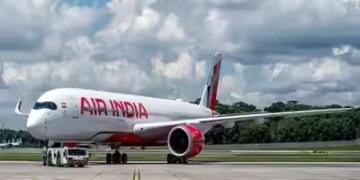


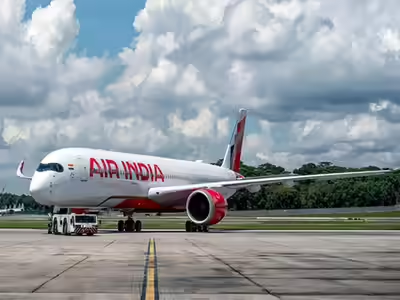
Air travel between India and several Asian destinations has been disrupted. This happened after airlines stopped flying routes due to rising tensions in the Middle East. Authorities and airlines are taking steps to keep passengers safe. This has led to flight stops and schedule changes.
According to airline announcements some flights to sensitive Asian regions will stay suspended until March 13. Other routes are operating,. With some changes.
The decision comes amid growing security concerns. This is due to the conflict in some parts of the Middle East. Several countries in the region are seeing rising tensions. This creates uncertainty around airspace safety.
- Aviation authorities worldwide closely monitor developments.
- Airlines often. Suspend flights if theres a risk to aircraft flying through conflict zones.
Safety Concerns Drive Airline Decisions
Airlines put passenger and crew safety when operating international flights. When tensions rise, aviation regulators and airline security teams assess risks. They look at missile threats restricted airspace or military activity.
In the situation airlines flying between India and West Asia have stopped services to certain destinations. These destinations could be affected by the tensions. Some flights are being rerouted to avoid flying over areas. These adjustments are safety procedures used by the aviation industry during conflicts or geopolitical instability.
Indian carriers, including international airlines are coordinating with global aviation authorities. They are also working with air traffic control agencies to find the possible routes. Aviation regulators are issuing advisories to airlines. They recommend route changes or temporary suspensions where necessary.
Impact on Passengers and Travel Plans
The suspension of flights has affected travelers planning to visit or transit through parts of West Asia. Passengers flying for work tourism or family visits may experience delays. They may also face cancellations or schedule changes during this period.
Airlines have advised passengers to check flight updates. They can do this through airline websites and customer service channels. Many airlines are offering flexible rescheduling options or refunds. These options are for travelers whose flights have been affected by the suspension.
Travel agencies have reported a rise in inquiries from passengers. These passengers are seeking travel routes. In some cases airlines are operating flights to safer destinations. They do this to accommodate stranded travelers.
Strategic Importance of West Asia Routes
West Asia is an aviation corridor for India. Millions of travelers fly to countries like the United Arab Emirates, Saudi Arabia, Oman and Qatar every year. The region is home to an Indian expatriate community. These routes are critical for both business and personal travel.
Several international flights connecting India to Europe and North America often pass through Asian airspace. Any disruption in the region can affect flight networks and airline schedules.
Airlines Monitoring Situation Closely
While some routes remain suspended until March 13 airlines have indicated that the situation is being reviewed continuously. If geopolitical tensions ease and airspace safety improves normal flight operations could resume earlier than expected.
Aviation experts note that such temporary disruptions are not uncommon during conflicts. The airline industry has established protocols for handling geopolitical risks. These include real-time route monitoring and coordination with aviation agencies.
For now travelers are advised to stay informed about flight updates. They should plan their journeys accordingly. As the situation in the Middle East evolves airlines and aviation authorities will continue to adjust operations. They do this to ensure secure travel, for passengers.


