


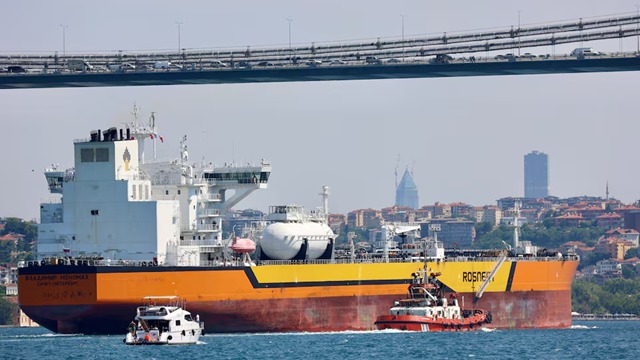
A leading geopolitics expert has raised questions over the United States granting India a temporary waiver to continue purchasing Russian crude oil, asking why India should need “permission” from Washington to make decisions related to its own energy security.
The comments came after reports that the United States issued a 30-day waiver allowing India to import Russian oil shipments that were already in transit, despite ongoing sanctions and geopolitical tensions involving Moscow. The waiver aims to prevent sudden disruption to India’s energy supply while global markets remain volatile.
Since the start of the Russia–Ukraine War in 2022, Western countries have imposed strict sanctions on Russian energy exports. However, countries like India have continued to purchase Russian crude at discounted prices to meet growing domestic demand.
India is currently one of the largest buyers of Russian oil. Experts say the discounted crude has helped the country control fuel prices and reduce import costs, especially during periods of global energy instability.
The geopolitical analyst argued that India, as the world’s third-largest oil importer, must prioritize its national interests rather than depend on approval from other nations. “Energy security is a sovereign decision. Countries like India should not require permission from another country to decide where they buy their oil,” the expert said during a policy discussion.
India has consistently maintained that its energy purchases are guided by national interests and economic needs. Officials have also emphasized that the country imports oil from multiple sources to maintain supply stability.
The government led by Prime Minister Narendra Modi has previously defended India’s energy strategy, stating that developing economies cannot abruptly cut off affordable energy supplies without harming their own economic growth.
Officials from the Ministry of Petroleum and Natural Gas (India) have also highlighted that India imports more than 80 percent of its crude oil requirements, making energy diversification essential for the country’s economic stability.
The issue has also sparked a broader debate on global energy geopolitics and the influence of Western sanctions on emerging economies. Some analysts believe that while India maintains strategic partnerships with the United States, it has also preserved strong trade relations with Russia to maintain a balanced foreign policy.
Meanwhile, the administration of Donald Trump has reportedly been involved in discussions regarding sanctions enforcement and temporary exemptions for certain countries importing Russian oil.
Energy analysts say the waiver reflects Washington’s recognition of India’s importance in the global energy market and the practical challenges of enforcing strict sanctions on major energy-consuming economies.
As geopolitical tensions continue to reshape global trade patterns, India is expected to maintain a multi-aligned foreign policy, balancing relationships with both Western powers and traditional partners like Russia.
The debate surrounding the waiver highlights a larger question in international relations: how nations can safeguard their economic interests while navigating complex global political pressures.


