


The Centre is increasingly emphasizing the need to fast-track infrastructure development initiatives across the country. This is because large-scale development is one of the major forces that will help the economy grow. Even infrastructure development within the transport sector, such as development of the railroad sector through renovation of existing lines, is being promoted by the Centre.
According to top government officials, infrastructure spending has proven to be the most effective method to encourage economic activity, especially when the global demand keeps fluctuating. The fastest way to enhance productivity, private investment, and the ease of business in the states has been the prioritization of projects related to transport, energy, housing, and telecommunication infrastructure.
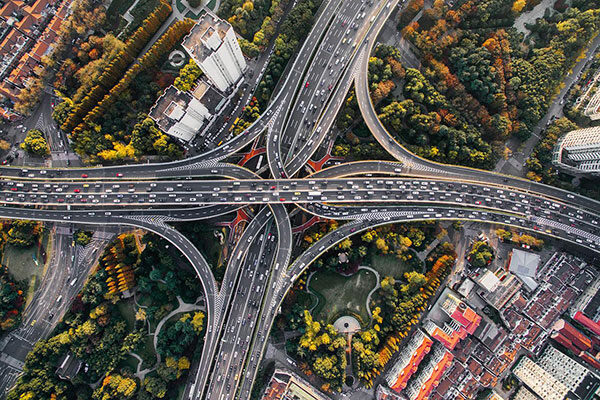
An important focus area remains the development of road and highway infrastructure. Thousands of kilometers of national highway infrastructure are currently under construction and planned through flagship initiatives like Bharatmala and National Infrastructure Pipeline (NIP). These are estimated to lower logistics costs and work as catalysts in developing trade efficiencies. It was emphasized that the development of road infrastructure is imperative to integrate the countryside and semivar towns with the key economic centers.
The railway infrastructure has also been given a substantial thrust. The government is emphasizing the development of new railway lines, railway station redevelopment, railway line electrification, and freight corridors. The upgrade in railway infrastructure is expected to enhance passenger ease and facilitate swift transportation of freight. The government feels that efficient railway logistics are essential to support manufacturing, farming, and export sectors.
Development of urban infrastructure is another major growth driver for the government. Smart city projects, metro rail projects, low-cost housing projects, and water and sanitation projects are being fast-tracked in major cities as well as Tier 2 and Tier 3 cities. The main aim is to facilitate rapid urbanization, enhance quality, and entice entrepreneurs to these developing cities.
The Centre is also emphasizing improvements to infrastructure in the sector of energy, especially renewable resources. Solar parks, wind energy projects, and projects aimed at grid development are also underway to help transform India’s clean energy system. According to officials, sustainable and reliable energy systems are necessary to ensure future industrial and consumption growth without depending upon fossil fuel sources.
To facilitate timely implementation, the government is advising the various ministries as well as state governments to resolve issues regarding land acquisition, clearances, and funding constraints. The use of digital monitoring tools is also being employed to monitor the progress of projects, detect any project delays, and fix the responsible implementation agencies. According to officials, this system has already resulted in better project timelines in areas where large projects are ongoing.
The role of the private sector is an integral part of the infrastructure thrust. The Centre is facilitating public-private partnerships and asset monetization to leverage additional resources. In various forms like infrastructure investment trusts and long-term concessions, the government is working towards leveraging resources while maximizing the utilization of public assets.
Economists argue that infrastructure spending could have a multiplier effect on the economy. This is because construction creates employment at all skill levels, drives demand for commodities such as steel and cement, and other related sectors such as transportation and services. As time progresses, the impact of infrastructure development raises productivity and economic growth.
But experts have also warned about the importance of fiscal discipline and proper management of projects. Delays, cost escalation, and untapped infrastructure capacity can offset the gains of infrastructure spending. To address this, the Centre has reaffirmed its commitment to proper budgetary management, public procurements, and results-driven planning.
The state administrations have been advised to align their development plans with national infrastructure plans to make the biggest impact. Many states have already announced plans that work in harmony with other initiatives to make the biggest impact. The coordination required among the Centre and the states has become the key to achieving scalability and efficiency. while the government aims to make the whole country an international manufacturing and logistics destination, the focus on infrastructure development appears set to remain at the forefront of economic strategy. “This investment cycle is not just about growth in the short term; it’s about building the capabilities that can sustain the ambitions of the nation long term,” government officials have been quoted as saying. With several projects in the works and others proposed, the infrastructure push at the Centre is expected to be a game-changer for the Indian economy and help develop connectivity infrastructure for the country.


