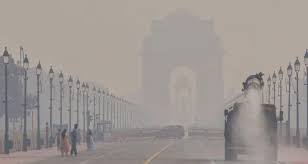


A tough start to the day was seen in the capital city of New Delhi, where Parliament remained in session despite low visibility due to dense fog and poor air quality that continues to envelop the entire region. Such poor air quality, in addition to low visibility, has affected transport and train and flight delays, not to mention serious concerns over health.
Dense fog enveloped major portions of the Delhi-NCR region during early morning hours, resulting in negligible visibility in some regions. Delays were reported in rail operations due to safety norm restrictions in low-visibility situations. Meanwhile, flight delays were observed in dozens of planes at Indira Gandhi International Airport, leading to airline advisories to check flight timings before arriving at the airport.
In spite of such negative circumstances, proceedings in both the Lok Sabha and the Rajya Sabha went on uninterrupted. Members of Parliament were in attendance during debating sessions concerning various matters such as performance of the economy, inflation, social welfare programs, and matters pertaining to national security. However, the effects of pollution and Winter were not left out in parliament when MPs were alarmed over poor air quality.
The Air Quality Index in Delhi remained in the “severe” zone in some air quality stations due to a combination of pollution from cars, industries, burning of crop stubbles in other states, and poor meteorological factors. Reduced winds and low temperatures prevented pollutants from rising into the atmosphere and instead concentrated them in lower levels with increased smog in the city.
Meanwhile, health authorities have reiterated advice to locals, especially children, senior citizens, and people with respiratory and cardiac ailments, to go out less when these levels of pollution are measured in the city. Some schools in the affected regions have adjusted their class schedules, while hospitals have reported a surge in patients complaining of difficulty in breathing, irritation in the eyes, and sore throat.
In parliament, opposition leaders called for collective action by the federal government in dealing with air pollution. They emphasized control over emissions standards, better transport systems, and state government performance in dealing with crop burning. Members of parliament also asked for a permanent solution other than emergency responses since air pollution remains a problem with each passing winter without noticeable change.
The government, in light of these concerns, pointed out measures already being undertaken, such as the application of a Graded Response Action Plan (GRAP) scheme, limits to construction work, control over diesel generators, and encouraging cleaner fuels. Ministers urged a need for a collaborative federalism in tackling this problem because “air pollution is a regional problem which affects not just our national capital but a large area of our country,” added a minister.
On the other hand, the civil aviation minister issued a heavy fog warning, emphasizing a safety priority for all passengers. The aviation companies were directed to operate under low-visibility guidelines, with passengers being advised to plan their travel in light of extra time being taken. The railways have implemented additional safety measures to regulate train operations when it is foggy. As parliament remains in session, it is hard not to notice the fog which blankets the city of Delhi. As parliament continues with its business inside the parliament BHAWAN, the need for effective measures to counter this challenge in Delhi cannot go unnoticed. As winter grip continues in the city, it will be a tough time for both the city and the government, which is struggling with this serious crisis in the capital city of India.


